The Top 3 Inverter Mistakes That Kill Installers’ Reputation
If there’s one thing I’ve learned in the solar industry, it’s this: inverters don’t just fail systems — bad inverter decisions destroy reputations.
I’ve seen talented installers lose referrals, repeat business, and even partnerships because of simple inverter mistakes that could have been avoided.
In this post, I’m sharing the top 3 inverter mistakes that silently kill installers’ credibility — and how I personally avoid them.
1️⃣ Choosing the Wrong Inverter Size (Oversizing or Undersizing)
This is the most common mistake I see.
Undersizing the inverter
You install a 5kVA inverter in a property that peaks at 7kW.
What happens?
- Constant overload alarms
- System shutdowns
- Client frustration
- Emergency midnight calls
Oversizing without proper load analysis
Now the opposite mistake:
You throw in a 15kVA inverter because “bigger is safer.”
But:
- The battery bank can’t support it
- The client never uses half the capacity
- Idle consumption increases
- Budget gets unnecessarily inflated
I never size an inverter based on guesswork.
I calculate:
- Real continuous load
- Surge load (especially compressors & pumps)
- Load diversity factor
- Future expansion plans
An inverter must match actual usage behavior, not assumptions.
2️⃣ Ignoring Battery-Inverter Compatibility
This one ruins trust faster than anything else.
I’ve seen installers:
- Connect lithium batteries to inverters without checking communication protocol
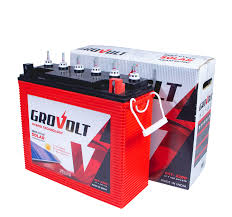
- Use tubular batteries without adjusting charge settings
- Ignore battery current limits
- Skip firmware updates
And then when batteries start swelling, shutting down, or degrading early — they blame the manufacturer.
No.
Most battery failures are configuration failures.
When I install:
- I confirm BMS compatibility
- I set correct bulk/absorption/float voltages
- I check max charge & discharge current
- I configure low-voltage cut-off properly
A ₦3 million battery bank can be destroyed in months by wrong settings.
And once a client loses expensive batteries? Your name goes down with them.
3️⃣ Poor Installation Environment (Heat & Ventilation Neglect)
Heat is the silent killer.
I’ve entered inverter rooms where:
- No ventilation exists
- Inverter is mounted near the ceiling (where heat accumulates)
- Batteries are crammed beside it
- No airflow clearance is respected
What happens?
- Frequent derating
- Internal component stress
- Capacitor failure
- Burnt boards
- Random shutdowns
And guess who gets blamed?
The installer.
I always ensure:
- Minimum clearance per manufacturer spec
- Proper airflow
- Not mounting in direct sunlight
- Not installing in sealed cabinets
Even the best inverter brand will fail prematurely if you suffocate it.
Bonus Mistake Most Installers Don’t Admit
Not Educating the Client
You can design a perfect system.
But if the client:
- Turns on all ACs simultaneously
- Adds new loads without informing you
- Disables protective settings
- Runs heavy appliances during low battery state
You’ll still get blamed.
I always brief clients on:
- Load discipline
- Surge management
- Proper shutdown behavior
- Expansion planning
Education protects your reputation.
Why These Mistakes Destroy Installer Reputation
Because inverter problems are visible.
- System shutting down = visible
- Alarm beeping = visible
- Battery failure = painful
- Burnt inverter = dramatic
Even if 90% of your system is perfect, the inverter is the “brain.” When it misbehaves, clients assume incompetence.
And word spreads fast.
How I Protect My Reputation
Before every installation, I ask:
- What is the real continuous load?
- What is the highest surge load?
- Is the battery fully compatible?
- Is ventilation adequate?
- Can this system scale safely?
If I can’t confidently answer these, I don’t proceed.
Because in this industry, referrals are everything.
Final Truth
Panels rarely destroy your reputation.
Batteries sometimes do.
But inverter mistakes?
They damage trust immediately.
If you’re an installer reading this, tighten up your inverter design process.
If you’re a client, ask your installer detailed inverter questions before payment.
Because a solar system isn’t judged by how it looks on installation day…
It’s judged by how stable it runs six months later.