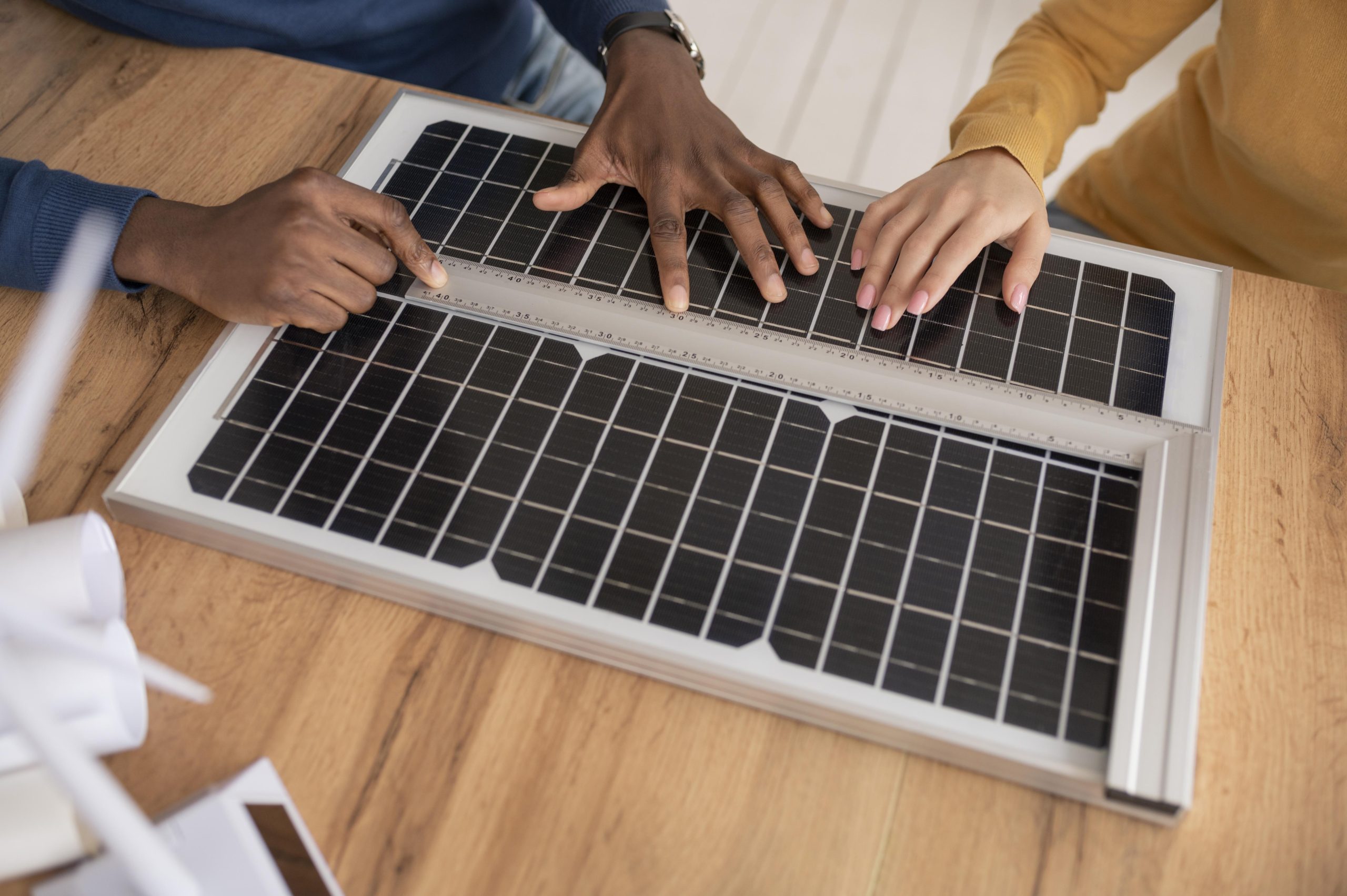
The Things Installers Notice That Clients Never See
When a client looks at a solar installation, they usually see one thing:
“Is the light on?”
When an installer looks at the same system, they see a dozen silent warning signs—most of which clients never notice until something fails.
This gap in perception is one of the biggest reasons solar systems struggle long after installation.
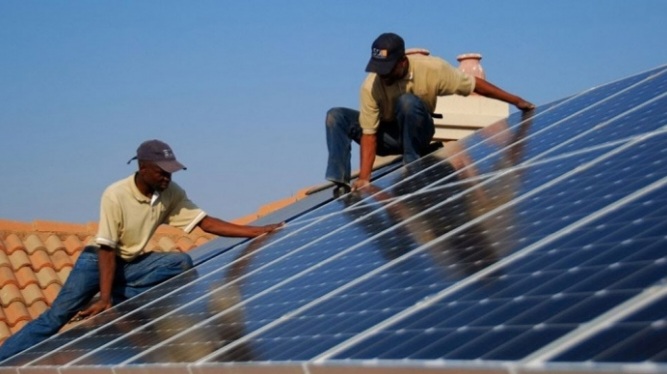
1. Panel Performance vs Panel Appearance
Clients often judge panels by how new or shiny they look.
Installers immediately check:
- panel voltage consistency
- mismatch between panels in the same string
- microcracks invisible to the eye
- temperature behavior under sun
A panel can look perfect and still perform poorly.
2. Cable Size and Heat Buildup
Clients see cables as just “wires.”
Installers see:
- undersized conductors
- heat buildup under load
- voltage drop waiting to happen
Improper cable sizing silently reduces performance and slowly damages inverters and batteries.
3. Battery Stress Signs
Clients check battery percentage.
Installers check:
- charge and discharge rates
- imbalance in parallel banks
- temperature rise during charging
- depth of discharge patterns
These signs predict battery failure long before the battery actually dies.
4. Inverter Behavior Under Load
To clients, an inverter is either “on” or “off.”
Installers notice:
- abnormal fan behavior
- voltage sag during peak load
- inverter derating from heat
- error logs that tell a bigger story
These are early warnings clients don’t recognize.
5. Protection That Was Skipped
Clients rarely notice missing:
- DC breakers
- proper fusing
- earthing connections
- surge protection
Installers know these omissions don’t cause immediate failure—but they guarantee future problems.
6. Panel Orientation and Shading Patterns
Clients see sunlight.
Installers see:
- morning and evening shading
- seasonal shadow paths
- uneven panel exposure
A small shadow at the wrong time can reduce output significantly.
7. Load Behavior, Not Just Load Size
Clients focus on appliance wattage.
Installers focus on:
- startup surge currents
- simultaneous load usage
- seasonal changes in consumption
Most overload issues come from how loads are used, not just what they are.
8. Signs of Poor Workmanship
Installers instantly notice:
- loose lugs
- mixed cable colors
- untidy trunking
- lack of labeling
These don’t just look bad—they hint at deeper problems.
9. System Balance
Clients ask if their system is “strong enough.”
Installers check whether:
- panel size matches battery capacity
- battery size matches inverter demand
- charge controller limits are respected
Imbalance is one of the biggest silent killers of solar systems.
10. Future Failure Before It Happens
Experienced installers can often tell when a system will fail—not because it’s broken now, but because the conditions for failure already exist.
Clients only notice after lights go out.
Final Thoughts
Solar installers don’t just install equipment—they read systems.
What clients don’t see:
- weak points
- shortcuts
- future risks
is exactly what determines whether a system lasts 2 years or 10.
This is why good installers insist on doing things “the hard way.”
Because in solar, what you don’t see matters the most.