The Step-by-Step Method I Use to Avoid Undersized Solar Systems Every Time
One of the fastest ways to destroy trust in the solar business is to install an undersized system.
I’ve seen it happen too many times — inverter overload errors, batteries draining too fast, customers calling at night because “the system isn’t carrying the load.” And almost every time, the problem traces back to one thing:
Poor sizing.
Over the years, I’ve developed a step-by-step method that helps me avoid undersized solar systems every single time. I don’t guess. I don’t assume. I calculate.
Here’s exactly how I do it.
Step 1: I Start With Proper Load Analysis (No Assumptions)
Everything begins with load analysis. If I get this wrong, the entire system will be wrong.
When I visit a client’s site, I:
- List every single appliance
- Check the actual wattage rating (not what the client “thinks” it is)
- Note surge appliances like refrigerators and pumps
- Ask how many hours each appliance runs daily
I calculate two key things:
- Total running load (Watts)
- Total daily energy consumption (Watt-hours)
Most installers size based only on watts. I never do that. Energy (Wh) is what determines battery and panel sizing.
Step 2: I Calculate the Real Daily Energy Demand
Once I list all appliances, I calculate:
Daily Energy (Wh) = Appliance Wattage × Hours Used
I do this for every appliance and sum everything up.
If the total comes to 7,200Wh per day, that means the system must supply at least 7.2kWh daily — no rounding down.
If anything, I round up.
This is where many undersized systems begin — underestimating daily energy demand.
Step 3: I Add a 25–30% Safety Buffer
Real life is unpredictable.
- Weather changes
- Batteries degrade
- Clients add new appliances
- Inverters aren’t 100% efficient
So I automatically add 25–30% buffer.
If daily load is 7,200Wh:
7,200 × 1.3 = 9,360Wh
Now I design for 9.3kWh per day.
That buffer alone has saved me from countless callbacks.
Step 4: I Oversize the Inverter (Within Reason)
Inverter sizing is where many installers get it wrong.
If my total running load is 2,000W, I will not install a 2kVA inverter.
Why?
Because of surge loads from:
- Refrigerators
- Freezers
- Air conditioners
- Water pumps
My rule:
Inverter capacity ≥ 1.5× total running load
So for 2,000W running load, I go for at least 3kVA.
I also check the surge rating — not just continuous power rating.
This prevents nuisance overload trips.
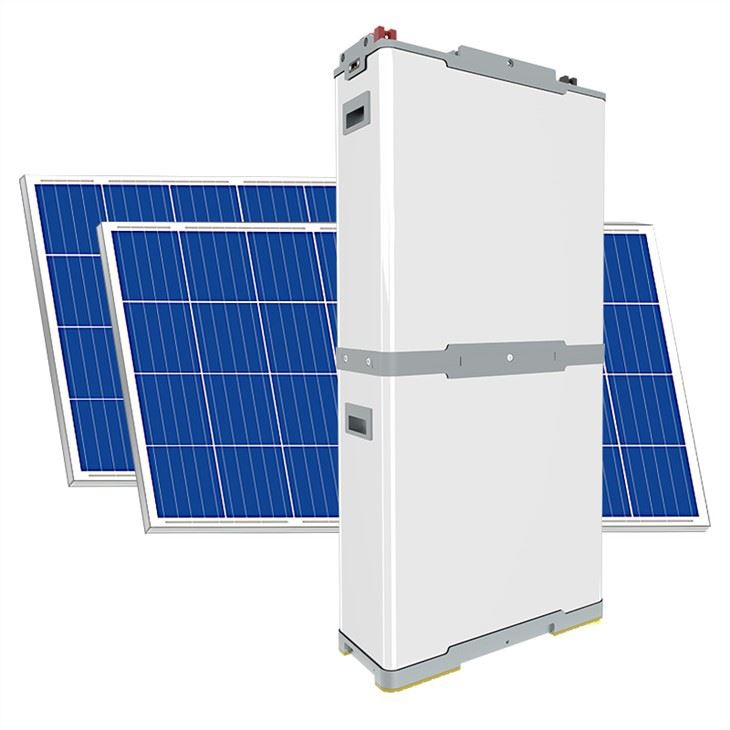
Step 5: I Size the Battery Bank Properly


4
Undersized batteries are the number one cause of frustration.
Here’s my formula:
Battery Capacity (Wh) = Daily Energy × Days of Autonomy ÷ Depth of Discharge
If:
- Daily energy (with buffer) = 9,360Wh
- 1 day autonomy
- Lithium battery at 90% DoD
Then:
9,360 ÷ 0.9 = 10,400Wh battery bank
That means I’ll install at least a 10kWh lithium battery bank.
I never size batteries to be discharged 100%. That destroys lifespan and reputation.
Step 6: I Size Panels Using Real Peak Sun Hours
Panels must recharge the batteries and power daytime loads.
I calculate:
Required Panel Power = Daily Energy ÷ Peak Sun Hours
If daily energy = 9,360Wh
Assuming 5 peak sun hours:
9,360 ÷ 5 = 1,872W
Then I add 15–20% system losses:
1,872 × 1.2 ≈ 2,246W
So I’ll install at least 2.2kW–2.5kW of panels.
I never install panels at the exact minimum requirement.
Step 7: I Always Factor System Losses
There are always losses:
- Cable resistance
- Temperature losses
- Inverter efficiency
- Dust accumulation
- Charge controller losses
If I ignore these, the system will struggle during cloudy days.
So I design with a 15–25% loss factor built in.
Step 8: I Plan for Future Expansion
Before I finalize any design, I ask:
- Are you planning to add AC soon?
- Will you add more freezers?
- Any pumping system later?
If I can, I:
- Leave inverter headroom
- Leave roof space for extra panels
- Ensure battery scalability
This protects both me and the client long term.
Why I Never Design Based on Budget Alone
If I design based purely on what the client can afford, I risk installing an undersized system.
Instead, I:
- Calculate the correct system size.
- Present the ideal solution.
- Offer phased installation if needed.
But I don’t compromise core calculations.
My Golden Rule
I would rather slightly oversize a system than install one that struggles daily.
An oversized system:
- Extends battery lifespan
- Reduces stress on components
- Increases customer satisfaction
- Protects my brand
An undersized system does the opposite.
Final Thoughts
This is the exact method I use to avoid undersized solar systems every time:
- Accurate load analysis
- Calculate daily energy (Wh)
- Add 25–30% buffer
- Size inverter for surge
- Size battery correctly
- Size panels using real sun hours
- Account for system losses
- Plan for expansion
Solar design is engineering — not guesswork.
If you follow this structured approach, you won’t just install systems. You’ll install systems that perform reliably for years.
And in this industry, reliability is everything.