How to Protect Your Solar System From Heat Damage
Solar systems are designed to work under the sun, but excessive heat is one of the biggest silent enemies of solar installations. While sunlight is essential for power generation, prolonged high temperatures can reduce efficiency, shorten component lifespan, and cause unexpected system failures.
This guide explains how heat affects different parts of a solar system and the proven ways to protect your investment.
Understanding How Heat Affects Solar Systems
Many people assume hotter weather means more power. In reality, solar panels generate electricity from light, not heat. When temperatures rise too high, several problems occur:
- reduced panel voltage
- faster battery degradation
- inverter overheating and shutdown
- cable insulation damage
Heat does not usually cause immediate failure—it causes gradual performance decline that installers and owners often miss.
How Heat Impacts Solar Panels
Solar panels lose efficiency as temperature increases. For most panels:
- every 1°C rise above 25°C reduces output by about 0.3–0.5%
- extreme heat causes voltage drop
- long-term exposure accelerates cell aging
Over time, this leads to lower daily energy production even when sunlight is strong.
How Heat Damages Batteries
Batteries are the most heat-sensitive part of a solar system.
Heat causes:
- faster chemical reactions inside the battery
- reduced cycle life
- swelling in lithium batteries
- increased water loss in lead-acid batteries
A battery that should last 8–10 years can fail in 3–4 years if exposed to constant heat.
Inverter Overheating Problems
Inverters generate heat during operation. When combined with high ambient temperatures, this can lead to:
- automatic shutdowns
- derating (reduced output capacity)
- internal component failure
Many “faulty inverter” complaints are actually heat-related issues.
1. Install Panels With Proper Airflow
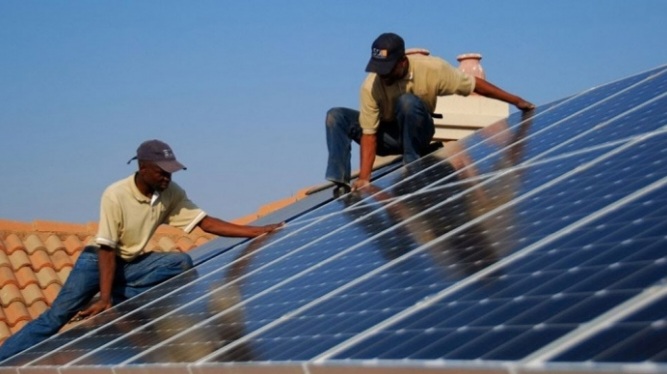
One of the most common mistakes is mounting panels too close to the roof.
Best practices:
- leave at least 100–150mm gap between roof and panel
- avoid flush mounting on metal roofs
- ensure air can circulate freely under panels
Good airflow allows heat to dissipate naturally.
2. Choose the Right Panel Type for Hot Climates
Not all panels perform the same in heat.
Look for:
- panels with lower temperature coefficient
- reputable manufacturers with proven heat tolerance
- verified datasheets, not marketing claims
Panels with poor temperature ratings lose more power during hot periods.
3. Protect Batteries From Direct Heat
Never install batteries:
- in direct sunlight
- in poorly ventilated rooms
- near hot inverters or generators
Best battery locations:
- shaded indoor spaces
- well-ventilated battery rooms
- insulated enclosures for outdoor setups
For lithium batteries, temperature control is critical to prevent swelling and BMS shutdown.
4. Ensure Proper Inverter Placement
Inverters should be:
- mounted in shaded areas
- installed away from direct sun exposure
- placed where airflow is unobstructed
Avoid enclosing inverters in tight cabinets without ventilation. If necessary, use exhaust fans or louvered enclosures.
5. Use Correct Cable Sizes
Heat increases electrical resistance.
Undersized cables:
- heat up faster
- lose efficiency
- degrade insulation over time
Always size DC and AC cables according to:
- current rating
- distance
- ambient temperature
Proper cable sizing reduces heat buildup and power loss.
6. Avoid Overloading the System
Overloading causes components to run hotter than designed.
Common mistakes:
- adding new appliances without recalculating load
- exceeding inverter continuous rating
- drawing excessive current from batteries
Balanced system design keeps operating temperatures within safe limits.
7. Regular Cleaning During Hot Seasons
Dust and dirt trap heat on panel surfaces.
Benefits of regular cleaning:
- improved airflow
- lower operating temperature
- better power output
Clean panels early in the morning or evening—never during peak heat.
8. Monitor System Temperature and Performance
Modern inverters and lithium batteries provide temperature data.
Installers and owners should:
- review inverter logs
- watch for frequent thermal warnings
- track unusual drops in output
Early detection prevents long-term damage.
9. Use Surge and Thermal Protection Devices
Protective components help manage heat-related risks:
- DC breakers and fuses
- proper earthing
- thermal-rated isolators
These devices prevent cascading failures during extreme conditions.
10. Plan for Seasonal Heat, Not Just Average Weather
Many systems are designed for “normal conditions” and fail during peak dry seasons.
Professional system design should consider:
- maximum local temperatures
- roof heat reflection
- seasonal load increase (fans, cooling devices)
Designing for worst-case conditions ensures long-term reliability.
Final Thoughts
Heat damage does not happen overnight—but once it starts, it is expensive to reverse. Most solar failures blamed on “bad products” are actually caused by poor heat management.
Protecting your solar system from heat means:
- smart placement
- proper ventilation
- correct sizing
- quality components
When heat is controlled, performance stays stable, batteries last longer, and your solar investment delivers its full value.