How I Designed a 10kW System That Never Fails—Here’s How You Can Too
When I first started installing solar systems, I realized quickly that even a big system can fail if it isn’t designed properly. A 10kW system might sound impressive, but if the panels, batteries, and inverters aren’t sized and configured correctly, it can drain quickly, underperform, or cause costly problems for clients.
Over the years, I’ve refined my approach, and now I have a method to design 10kW systems that consistently work without surprises. I want to share it with you so you can avoid the mistakes most installers make.
Step 1: Start With Real Load Analysis
The first thing I do is analyze the client’s actual energy needs. Many installers skip this, but I never do.
- I list every device the client wants to power—lights, fans, fridges, AC units, TVs, and other appliances.
- I calculate daily energy consumption in kilowatt-hours (kWh).
- I separate essential loads that need night backup from non-essential daytime loads.
This ensures the system is sized to handle real-world usage, not just theoretical numbers.
Step 2: Battery Selection That Matches the Load
A 10kW system without the right battery setup is useless. I focus on:
- Battery type: Lithium, lead-acid, AGM, or gel, depending on the client’s needs and budget.
- Battery capacity: Enough to support backup duration without overcharging or over-discharging.
- Depth of Discharge (DoD): I never let batteries go beyond safe limits to prolong life.
For example, I allow lithium batteries to use 80–90% of their capacity and keep lead-acid above 50%. This step prevents fast battery drain, even under heavy load.
Step 3: Inverter Sizing & Type
The inverter is critical. For a 10kW system, I never just pick an inverter based on “average consumption.” I:
- Calculate peak load requirements to make sure appliances run smoothly.
- Choose the right type: hybrid, off-grid, or grid-tie depending on the setup.
- Match inverter voltage with the battery bank to prevent mismatches and energy loss.
This avoids system shutdowns, overloads, or unnecessary battery cycling.
Step 4: Panel Configuration for Maximum Efficiency
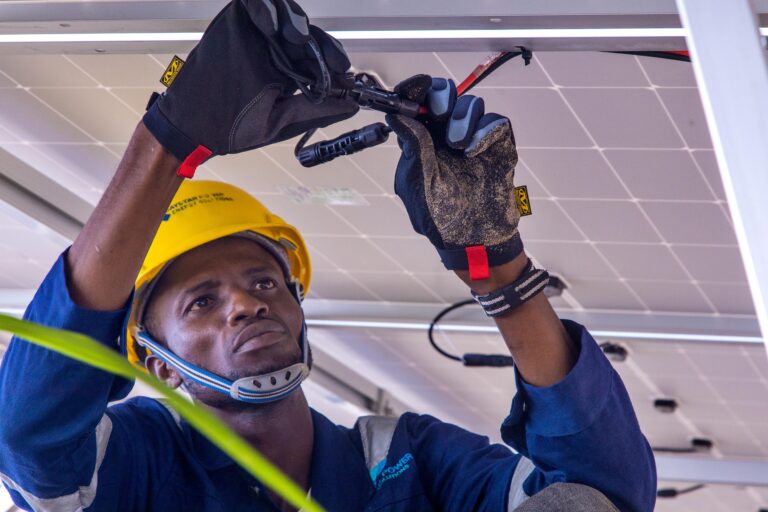
A lot of installers assume panels will always produce their rated power—but in reality, dust, shading, wiring losses, and temperature reduce output.
Here’s what I do:
- Calculate the number of panels needed to supply both daily load and battery charging.
- Optimize tilt and orientation for peak sunlight throughout the year.
- Factor in real-world losses and inefficiencies to prevent underperformance.
I also use apps like Globisun Solar to simulate the system before installation. This ensures clients get exactly what they pay for.
Step 5: Safety, Monitoring, and Maintenance
Even a perfectly sized system can fail without proper safeguards. I always:
- Use correctly sized wiring and fuses to prevent voltage drops and hazards.
- Ensure proper earthing and ventilation for batteries and inverters.
- Integrate monitoring systems so I can track battery health, panel output, and load usage.
Monitoring not only prevents failure—it also gives clients confidence in the system.
Step 6: Test, Monitor, and Adjust
Before I hand over the system, I perform:
- Load testing to confirm batteries and inverter can handle peak loads.
- Panel performance checks to ensure real-world output matches expectations.
- Adjustments if necessary, based on real operating conditions.
This final step is what makes a 10kW system truly reliable and failure-proof.
Key Takeaways
- Always start with real load analysis—don’t guess.
- Match battery capacity to load and backup requirements.
- Size the inverter for peak load, not just average consumption.
- Optimize panel configuration for actual sunlight and losses.
- Integrate monitoring, safety, and maintenance to prevent failure.
Designing a 10kW system that never fails isn’t magic—it’s about precision, proper sizing, and real-world thinking. When I follow these steps, my clients never experience downtime, battery failure, or underperforming systems.