Grade A” Solar Panels Are a Lie — What Sellers Don’t Want You to Know
The Nigerian solar market is booming, and with growth comes misinformation. One of the most abused marketing terms today is “Grade A”. Every seller claims their solar panels are Grade A, but very few live up to the claim.
In reality, the term Grade A has little to no official verification at the retail level, and many panels sold under this label are either fake, substandard, or misrepresented.
This guide uncovers the truth behind “Grade A” solar panels, the tricks used to sell them, and how installers and buyers can protect themselves.
1. The Original Meaning of “Grade A”
Historically, “Grade A” referred to the quality of solar cells and panels during production. Criteria included:
- uniformity of solar cells
- consistent electrical output
- cosmetic appearance (no cracks, scratches, or discoloration)
- compliance with factory performance tests
Grade B or C panels were still functional but had minor cosmetic defects or slightly lower efficiency.
However, this grading system rarely reaches the retail market today, especially in Nigeria. Most sellers label their products “Grade A” as a marketing tactic rather than a verified standard.
2. Why “Grade A” Is Mostly Marketing Hype Now
Today, “Grade A” is almost meaningless at the point of sale. Sellers use it to:
- justify higher prices
- convince buyers they are getting superior quality
- disguise older or leftover inventory
Unfortunately, buyers often assume Grade A = guaranteed performance, which is far from true.
3. Fake and Rebranded Panels
Many substandard or fake panels are sold under the Grade A label. Common tactics include:
- Reprinting serial numbers from reputable brands
- Using fake logos or certificates
- Mixing low-quality cells with premium-looking frames
- Selling old, used, or refurbished panels as new
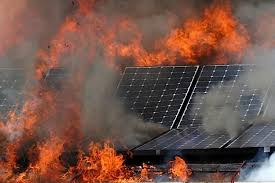
Panels can look original but perform far below rated capacity. Many systems fail not because of poor installation, but because of fake Grade A panels.
4. Performance Differences Between True and Fake Panels
Even two panels labeled Grade A can have drastically different results. Fake panels may:
- produce only 60–80% of their rated output
- degrade faster under heat
- fail to reach full voltage during charging
Genuine Grade A panels are defined by performance data, manufacturer specifications, and certification, not just labels.
5. Batteries and Inverters Are Not Immune
The same problem exists for solar batteries and inverters. Many sellers:
- exaggerate battery capacity
- sell cloned or underperforming inverters
- offer fake warranties
A high-quality solar system requires every component to be verified—not just labeled Grade A.
6. Red Flags to Spot Fake “Grade A” Panels
Installers and buyers should always check:
- Serial numbers on panels vs. manufacturer database
- IEC, TÜV, or other recognized certification
- Datasheet specifications (Voc, Isc, Vmp, temperature coefficient)
- Build quality: frame, glass thickness, and cell alignment
- Price: unusually low deals are often a warning
A little verification before installation can save thousands of Naira in repairs and replacements.
7. How Installers Can Protect Themselves and Clients
- Buy from trusted distributors only
- Inspect panels physically and electrically before installation
- Educate clients about real specifications and expected performance
- Avoid overselling “Grade A” as a marketing gimmick
Your reputation depends on reliability, not marketing buzzwords.
8. Final Thoughts
“Grade A” is one of the most abused terms in the solar market. While genuine high-quality panels exist, the label alone does not guarantee performance, longevity, or safety.
True value comes from certification, performance testing, and trusted suppliers. Installers and buyers must look beyond the label to avoid costly mistakes and system failures.
For verified solar components, trusted suppliers, and instant sizing calculations for your projects, download the Globisun app today and make every installation reliable.