Dry Season Solar Problems: How to Protect Your Panels from Overheating
The dry season should be the best time for solar power. Clear skies, strong sunlight, and long days — perfect charging conditions, right?
But many Nigerians notice the opposite:
“Why is my solar charging slow?”
“Why is my battery low even with bright sun?”
“Why is my inverter tripping more often?”
The truth is simple:
Solar panels love sunlight but hate heat.
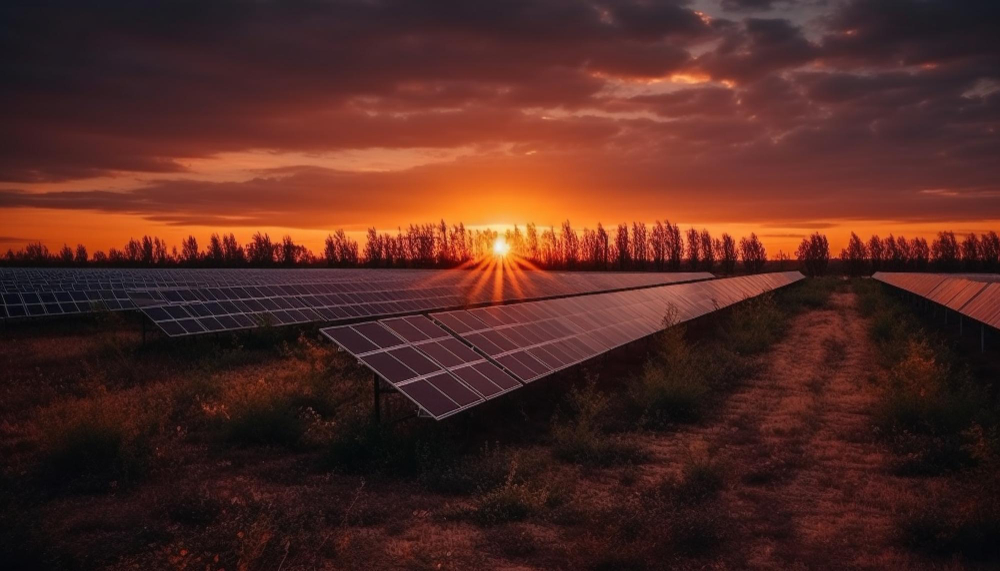
In the dry season, heat becomes the enemy. Temperatures rise above 35–40°C, and rooftop panels can reach 65–85°C. At this point, your system loses efficiency and begins to struggle.
This guide explains why overheating happens, the common dry-season solar problems, and how to protect your panels and batteries.
Why Solar Panels Underperform in the Dry Season
Solar panels generate electricity from light, not heat.
The higher the heat, the lower their efficiency.
Most panels lose:
0.35% to 0.50% of power for every degree above 25°C.
So if your panel reaches 70°C (normal in dry season), you lose:
(70°C – 25°C) = 45°C
45 × 0.5% ≈ 22.5% power loss
That means:
A 450W panel may only produce 340–380W in extreme dry-season heat.
Common Solar Problems During the Dry Season
1. Low Panel Efficiency
Panels get extremely hot under intense sun, reducing power output and slowing battery charging.
2. Overheated Inverters
High ambient temperature increases the inverter’s internal temperature, causing:
- Low voltage warnings
- Overload alarms
- Sudden shutdowns
3. Faster Battery Drain
Heat speeds up chemical activity inside batteries, leading to:
- Faster discharge
- Reduced lifespan
- Risk of battery swelling
4. Dust & Harmattan Layer on Panels
Dust blocks sunlight, adding:
- Up to 30% loss in efficiency
- Extra heating (because dust traps heat)
5. Charge Controller Heat Stress
MPPT controllers work harder in extreme sunlight and may reduce charging speed to protect themselves.
How to Protect Your Solar Panels from Overheating
Below are the most effective solutions to heat-related solar problems:
1. Elevate Your Panels for Better Airflow
Panels should have at least:
6–8 inches of air space between the roof and the panel frame.
Why?
Because airflow beneath the panels cools them naturally.
If your panels sit directly on the roof sheet, they will overheat extremely fast.
2. Clean Your Panels Regularly
In the dry season, clean panels:
2–3 times per week.
Dust makes panels absorb more heat and blocks sunlight.
Cleaning benefits:
- Lower panel temperature
- Higher power production
- Better charging efficiency
Use clean water, soft cloth/no detergent.
3. Install Panels in a Well-Ventilated Position
Avoid:
- Rooftops with no airflow
- Walls with hot surfaces
- Areas between two buildings trapping heat
Best positions are:
- Open rooftops
- Raised metal frames
- Ground-mounted systems with ventilation
4. Use Cooling Optimization Techniques
A simple method:
Raise the tilt angle slightly during dry season (25°–35°)
This reduces direct heat absorption.
Another trick:
Install solar panel back-sheet reflectors to reduce heat absorption from below.
5. Keep Your Inverter in a Cool, Ventilated Place
Never install your inverter:
- Inside a kitchen
- Inside a wardrobe
- In tight corners with zero ventilation
Best practice:
- Install in a cool room
- Use wall-mounted fans
- Ensure at least 10 cm ventilation space around the inverter
Heat is the number one killer of inverters.
6. Shade Your Batteries
Lithium batteries perform poorly above 35°C.
Keep batteries:
- Away from sunlight
- Away from windows
- Inside cool rooms
- Away from freezers, cookers, or electronics
If needed, add:
- Battery cooling fans
- Ventilation vents
- Temperature sensors
This prevents long-term damage.
7. Use High-Temperature-Tolerant Panels
If you’re buying new panels, choose:
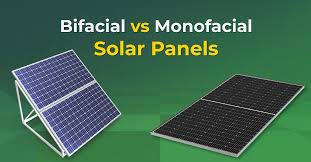
- Mono PERC panels with lower temperature coefficients
- Tier-1 brands with heat-resistant back sheets
Examples of good temperature coefficients:
- –0.3%/°C to –0.37%/°C (better)
- Avoid –0.50%/°C (worse)
8. Oversize Your Solar Array
To fight dry-season losses, install:
20% to 35% more panel capacity.
Why?
Extra panels cancel out the power lost to heat.
Example:
If you need 1,200W panels, install 1,500W.
When Should You Contact a Solar Technician?
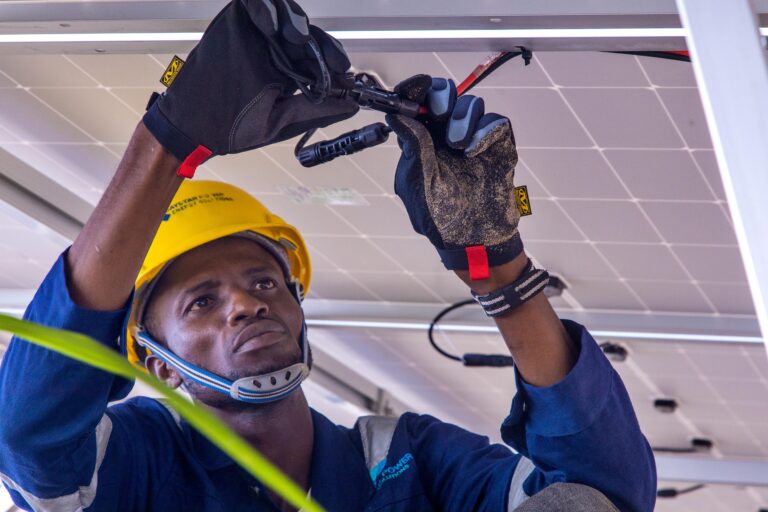
Call an expert if you notice:
- Panels are too hot to touch
- Inverter shuts down mid-day
- Battery drains too fast
- MPPT shows unusually low voltage
- System performs poorly even after cleaning panels
Dry season can expose weaknesses in your installation.
Final Thoughts
Your solar system is designed to work in hot environments—but extreme dry-season heat in Nigeria puts pressure on every component.
By improving ventilation, doing regular cleaning, protecting your inverter and batteries, and using heat-resistant solar components, you can significantly improve performance.