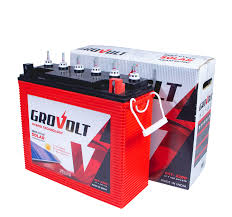
Depth of Discharge Tricks That Extend Battery Life 3x Longer
If there’s one thing that silently destroys solar batteries, it’s this:
Improper Depth of Discharge (DoD).
I’ve seen expensive battery banks that should last 8–10 years die in 2–3 years — not because they were fake, not because they were defective, but because they were abused daily.
The truth is simple:
The deeper you discharge your batteries, the shorter their lifespan.
But when you understand how to control Depth of Discharge properly, you can literally triple your battery lifespan.
Let me break down exactly how I do it in my installations.
What Is Depth of Discharge (DoD)?
Depth of Discharge (DoD) simply means:
How much of the battery capacity you use before recharging.
For example:
- 20% DoD → You used only 20% of the battery
- 50% DoD → You used half
- 80% DoD → You drained it deeply
And here’s what many installers ignore:
Battery lifespan is directly tied to DoD cycles.
The deeper you go every day, the fewer total cycles you get.
Why Deep Discharge Kills Batteries
Every battery has a limited number of cycles.
For example (typical estimates):
- 80% DoD → maybe 2,000 cycles
- 50% DoD → maybe 4,000 cycles
- 30% DoD → 6,000+ cycles
So if you drain your battery to 80% every single night, don’t expect it to last long.
Especially with:
- Tubular lead-acid batteries
- AGM batteries
- Even lithium (though lithium handles it better)
Battery chemistry suffers under stress.
My 5 Depth of Discharge Tricks That Extend Battery Life
1️⃣ I Rarely Allow 100% Usable Capacity
This is controversial.
Just because lithium batteries say “80–90% usable” doesn’t mean you must use all of it daily.
I configure systems to:
- Stop heavy loads earlier
- Preserve a reserve buffer
- Avoid daily deep cycling
That reserve protects the cells long term.
2️⃣ I Set Proper Low-Voltage Cutoff
This is where many installers fail.
If your inverter low-voltage cutoff is too low, you are:
- Over-discharging daily
- Stressing the battery plates
- Causing sulfation (in lead-acid)
- Forcing lithium BMS shutdown
I always:
- Match cutoff voltage to battery manufacturer spec
- Adjust based on battery type
- Avoid pushing batteries to emergency shutdown level
Let the inverter protect the battery before the battery protects itself.
3️⃣ I Educate Clients on Night Load Discipline
A battery dies faster when:
- All ACs run overnight
- Heavy loads start when battery is below 50%
- New appliances are added without system upgrade
I always explain:
“Your battery is not a generator. It’s a storage bank.”
Load discipline alone can double battery lifespan.
4️⃣ I Oversize Battery Capacity (When Budget Allows)
Here’s a powerful trick.
If a client needs 10kWh usable daily, I don’t design exactly 10kWh capacity.
I design 15–20kWh.
Why?
Because now:
- Daily discharge is only 40–60%
- Battery stress reduces
- Cycle life increases dramatically
Shallow cycling = long life.
This single strategy can extend battery lifespan 2–3x.
5️⃣ I Monitor Charge Completion Daily
Batteries that don’t fully recharge regularly also degrade.
Especially lead-acid.
If solar array is undersized, the battery:
- Discharges deeply
- Never fully recharges
- Stays partially charged
- Sulfates and dies early
I always ensure:
- Proper PV-to-battery ratio
- Full absorption stage achieved
- Float stage reached consistently
A battery must breathe properly.
Special Note: Lithium vs Lead-Acid DoD
Lead-Acid (Tubular / AGM)
- Best operated at 30–50% DoD daily
- Deep discharge shortens life rapidly
- Must avoid chronic undercharging
Lithium (LiFePO₄)
- Can handle 70–80% DoD
- Still lasts longer at 50–60% DoD
- BMS offers protection but not immunity
Lithium is stronger — not indestructible.
Warning Signs You’re Discharging Too Deep
- Battery percentage drops very fast at night
- Inverter hits low-voltage alarm frequently
- Battery heating
- Reduced backup hours over time
- Capacity shrinking within 1–2 years
If you see these signs, your DoD is too aggressive.
The Real Truth Most Installers Won’t Tell You
Many systems are designed to meet budget — not longevity.
So installers:
- Reduce battery size
- Allow deep discharge
- Focus on lower upfront cost
But deep daily cycling is expensive long-term.
I’d rather design a system that lasts 8–10 years than one that looks affordable today and fails in 3.
Final Thought
If you want your batteries to last 3x longer:
- Stop draining them to the bottom
- Set intelligent cutoffs
- Design for shallow cycling
- Ensure full recharge
- Educate users
Battery life isn’t magic.
It’s engineering discipline.
And when Depth of Discharge is controlled properly, your system becomes stable, reliable, and profitable long term.