Common Earthing Errors That Damage Inverters Slowly
If there’s one thing I’ve learned in solar installations, it’s this:
Bad earthing doesn’t destroy an inverter immediately — it kills it slowly.
The inverter might work fine for months. No visible problem. Then one day, it starts misbehaving:
- Random shutdowns
- LCD flickering
- Communication errors
- Burning smell
- MOSFET failure
- Board damage
And everyone says, “Maybe it’s a factory fault.”
In many cases, the real culprit is poor or incorrect earthing.
In this guide, I’ll break down the most common earthing mistakes that slowly damage inverters and how to avoid them.
1. No Dedicated Earth Rod for the Solar System
One major mistake I see is sharing earth with:
- The building’s old wiring
- Lightning arrestor only
- Generator earth
- Or worse… no earth at all
An inverter needs a low-resistance, dedicated grounding system.
Why This Damages Inverters
Without proper earthing:
- Surge energy has nowhere to go
- Static buildup increases
- Leakage currents stress internal components
Over time, this weakens the inverter’s power board.
What I Always Do
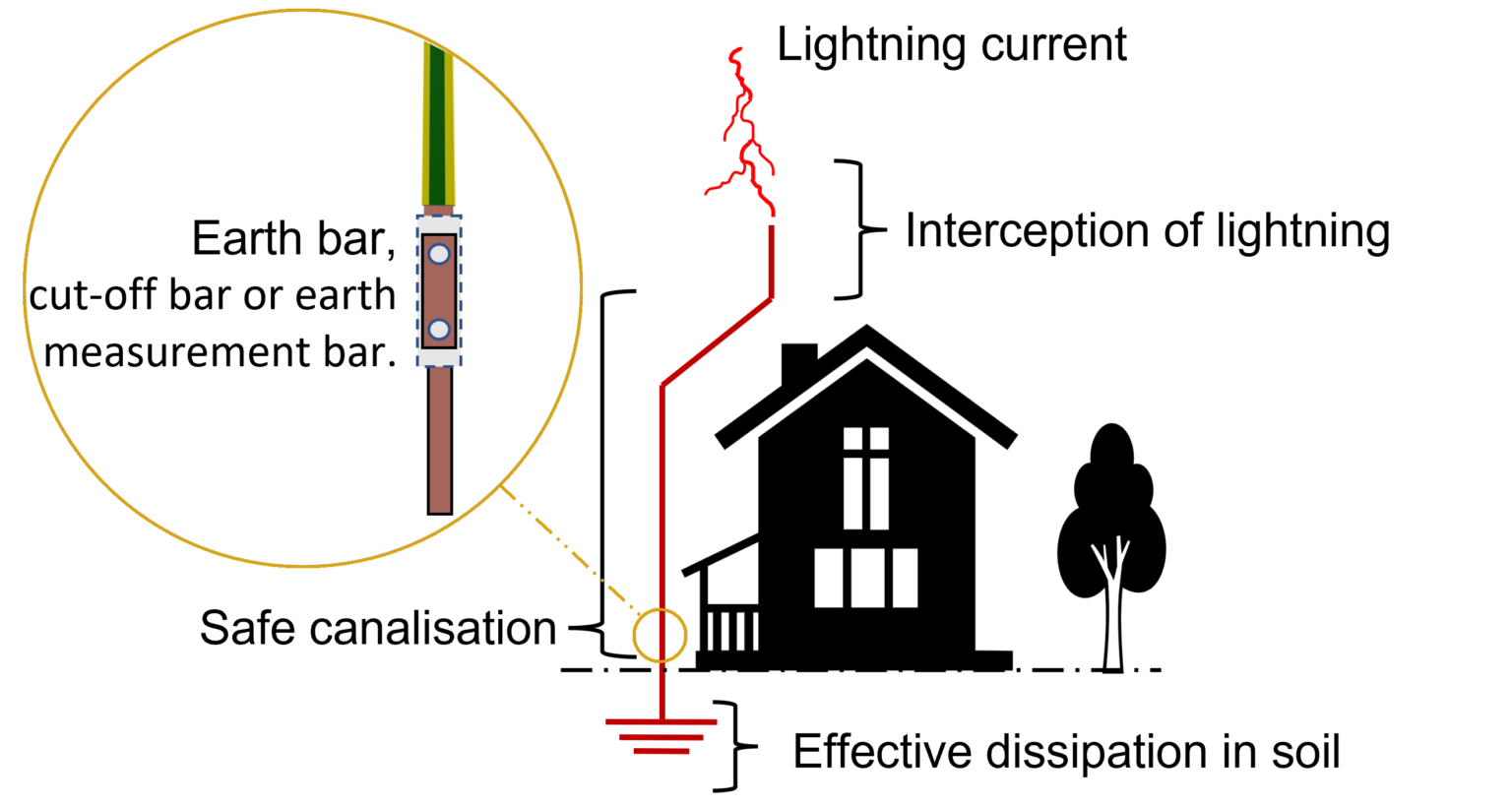
- Install a dedicated earth rod (or multiple rods if needed)
- Ensure resistance is below recommended ohms (ideally <5Ω, even better <2Ω)
- Use proper copper earth cable
2. Floating Neutral (Improper N–E Bonding)
This one silently destroys inverters.
In many installations:
- Neutral is floating
- Neutral-earth bonding is incorrect
- Bonding exists in multiple places
In hybrid and off-grid systems, improper neutral configuration causes:
- Inverter overload errors
- Output instability
- Shock risk
- Internal relay damage
Why It’s Dangerous
Inverters switch internally between grid and battery modes.
If neutral-earth bonding is wrong, the internal transfer relay gets stressed repeatedly.
Eventually:
- Relay contacts burn
- PCB tracks weaken
- Output stage fails
The Fix
- Follow manufacturer’s neutral bonding guidelines
- Ensure only one N–E bond point exists (where required)
- Don’t guess — confirm with wiring diagram
3. Using Undersized Earth Cable
Some installers use:
- 1.5mm cable
- 2.5mm cable
- Or leftover wire
For earthing.
That is risky.
Earth cable must be capable of handling fault current safely.
What Happens With Small Earth Wire
- Overheating during surge
- Partial grounding
- Voltage potential differences
- Increased EMI interference
Your inverter might start:
- Showing random faults
- Dropping communication
- Tripping unnecessarily
Best Practice
Use:
- Minimum 6mm² copper (depending on system size)
- 10mm² or higher for larger systems
Never economize on grounding materials.
4. Not Earthing the Solar Panel Frames
Many people only earth the inverter.
They forget:
- Panel frames
- Mounting structures
- Combiner boxes
This is dangerous.
Why This Damages Inverters
Solar panels generate static charge.
Without grounding:
- Static builds up
- Voltage potential rises
- Surge finds path through inverter MPPT
Over time:
- MPPT section fails
- Charging becomes unstable
- Panels stop tracking properly
Always bond:
- Panel frames
- Mounting rails
- DC surge protection devices
To a common earth system.
5. No Surge Protection Device (SPD)
Earthing alone is not enough.
Without SPDs:
- Lightning-induced surges travel straight into inverter
- Even small repeated surges degrade components
You may not see lightning strike directly —
But nearby strikes create induced voltage spikes.
These small spikes:
- Stress capacitors
- Damage MOSFETs gradually
- Weaken charging circuits
Always Install:
- DC SPD (for solar input)
- AC SPD (for grid input)
- Proper earthing connection for SPD
SPD without proper earthing is useless.
6. High Earth Resistance
Some installations have earth rods — but resistance is too high.
For example:
- 20Ω
- 50Ω
- Even 100Ω
That’s not effective grounding.
What Happens
Instead of diverting surge:
- Energy reflects back
- Inverter absorbs stress
- Internal components heat up
This leads to:
- Random board failures
- Charging inconsistencies
- Sudden inverter death months later
Solution
- Perform earth resistance test
- Add more rods if necessary
- Use salt/charcoal treatment (where appropriate)
- Ensure proper soil contact
7. Mixing Generator, Grid and Solar Earth Carelessly
In hybrid systems with:
- Generator
- Grid
- Solar
- Battery
Improper bonding between these sources causes:
- Circulating currents
- Harmonic interference
- Transfer relay stress
The inverter keeps switching under unstable reference voltage.
Over time:
- Relay fails
- AC output becomes unstable
- Inverter trips frequently
Proper system integration is key.
8. Not Bonding Battery Rack (For Lithium Systems)
Lithium batteries with metal casing should be grounded.
Without grounding:
- Static buildup
- EMI interference
- Communication cable instability
This may cause:
- BMS communication errors
- Random shutdowns
- CAN or RS485 faults
It looks like a software issue —
But it’s grounding.
Signs Your Earthing Is Damaging Your Inverter
Watch out for:
- Frequent inverter faults
- Burning smell from board
- Random restart
- Communication instability
- MPPT failure
- Inverter works fine at night but unstable during high sun
- Output voltage fluctuation
These are early warning signs.
How I Protect Inverters Properly
In every serious installation, I ensure:
✅ Dedicated earth rod
✅ Low resistance test result
✅ Proper cable sizing
✅ Neutral bonding done correctly
✅ DC and AC SPD installed
✅ Panel frame grounding
✅ Battery rack grounding
✅ Clean wiring layout
This is what separates a professional installation from a risky one.
Final Thoughts
Inverters rarely die suddenly without warning.
Most failures are:
- Accumulated stress
- Poor installation practices
- Especially bad grounding
Earthing errors don’t shout.
They whisper.
And after months of silent damage —
The inverter stops working.
If you want your inverter to last 5–10 years or more,
take grounding seriously.
It’s not optional. It’s protection.