How to Properly Size Solar Panels, Batteries, and Inverters
(Now with visual image sections under every key point for better readability)
1️⃣ Calculate Your Total Daily Energy Consumption
This is always where I begin.
Before I size any solar component, I calculate total daily energy usage in watt-hours (Wh).
Example Load Table:
| Appliance | Power (W) | Hours Used | Daily Usage (Wh) |
|---|---|---|---|
| LED lights | 60W | 5 hrs | 300Wh |
| TV | 120W | 4 hrs | 480Wh |
| Fridge | 150W | 8 hrs | 1200Wh |
| Fans | 150W | 6 hrs | 900Wh |
Total = 2,880Wh/day
Then I add 20–30% system losses.
Adjusted total ≈ 3,600Wh/day
This figure determines everything else.
2️⃣ Properly Size the Battery Bank
Batteries power the home at night. If undersized, the system fails after sunset.
What I Calculate:
- Daily energy requirement
- Days of autonomy (usually 1–2 days)
- Battery voltage
- Depth of discharge
Example:
Daily need = 3,600Wh
2 days autonomy = 7,200Wh
Using 48V lithium:
7,200 ÷ 48 = 150Ah
Recommended battery:
✔ 48V 150Ah lithium battery (minimum)
For lead-acid, I double capacity due to 50% usable limit.
3️⃣ Properly Size the Solar Panel Array
Panels must recharge batteries daily.
Formula I Use:
Daily Energy ÷ Peak Sun Hours = Required Solar Wattage
If location gets 5 peak sun hours:
3,600Wh ÷ 5 = 720W
Add 25% losses → ≈ 900W
I would install:
✔ 3 × 400W panels (1,200W total)
I slightly oversize to handle cloudy days.
4️⃣ Choose the Correct System Voltage

4
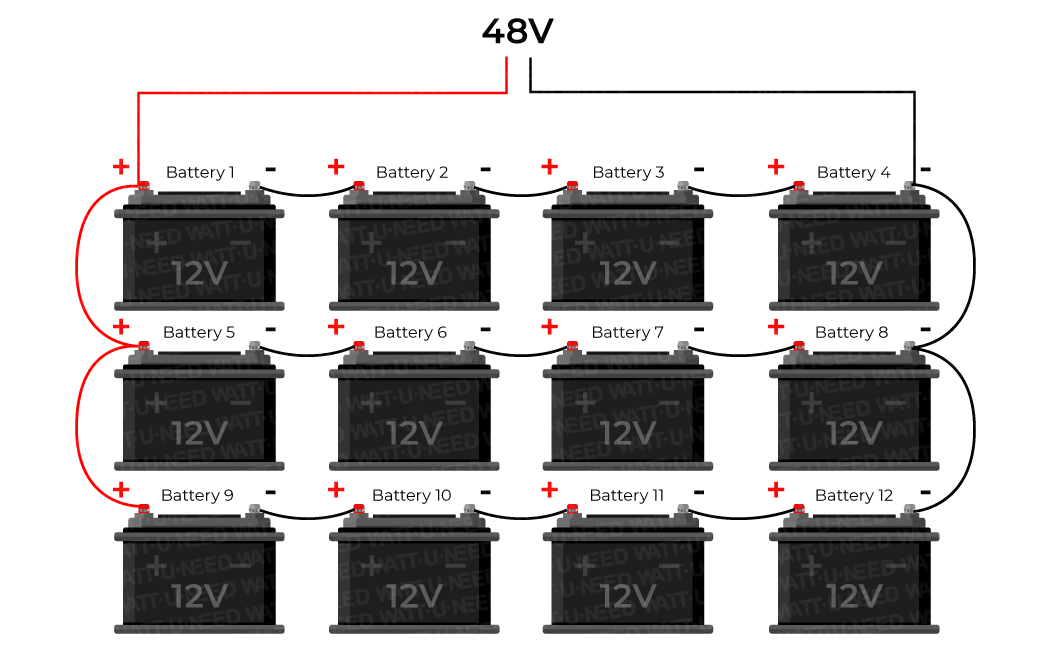
Voltage impacts system efficiency.
Here’s how I decide:
- Small loads → 12V
- Medium systems → 24V
- Larger homes → 48V
Higher voltage means:
✔ Lower current
✔ Smaller cables
✔ Less power loss
✔ Higher efficiency
Most homes I design use 48V.
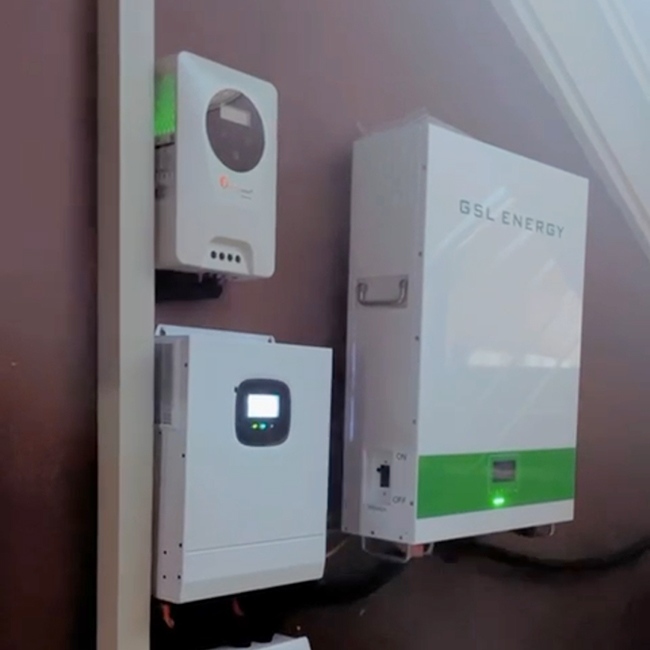
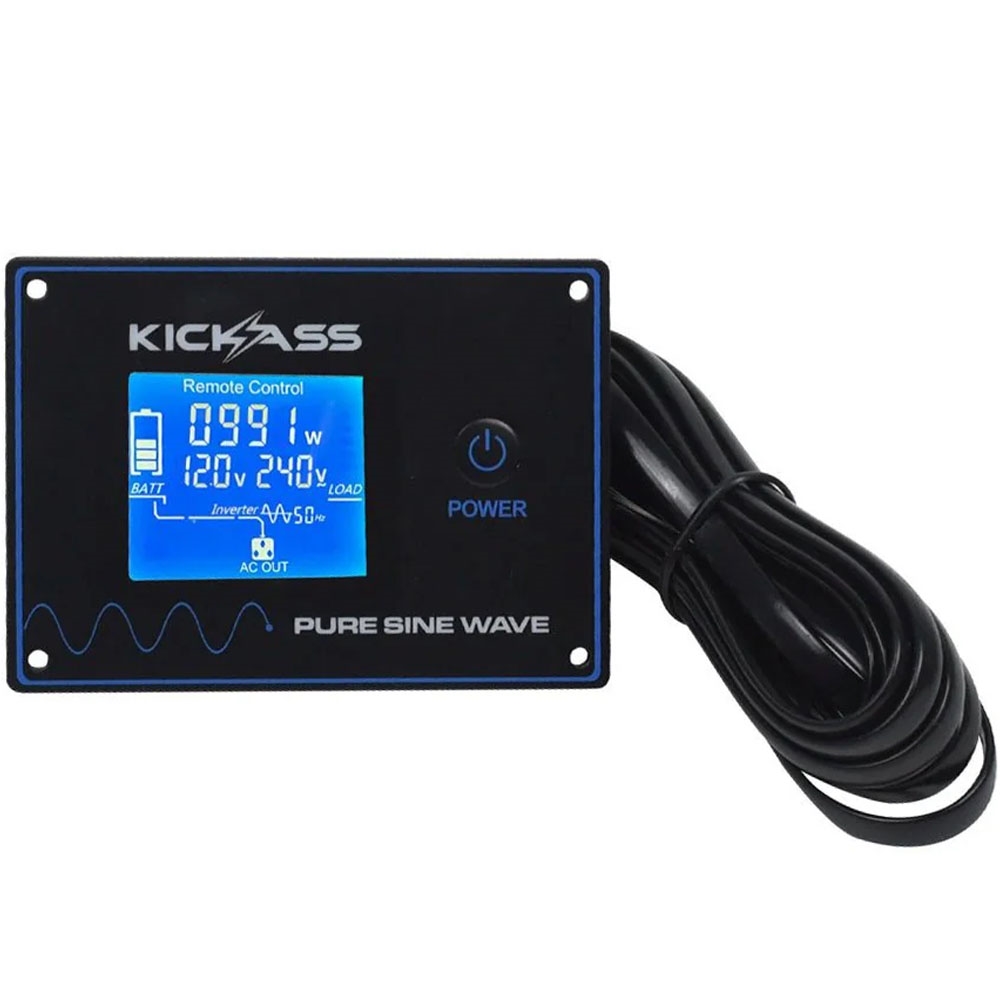
5️⃣ Properly Size the Inverter

4
The inverter must handle:
- Total running load
- Surge load (startup spikes)
If running load = 1,000W
I choose at least:
✔ 3kVA pure sine wave inverter
Because appliances like fridges and pumps draw 2–3× startup power.
Undersized inverters cause overload shutdown.
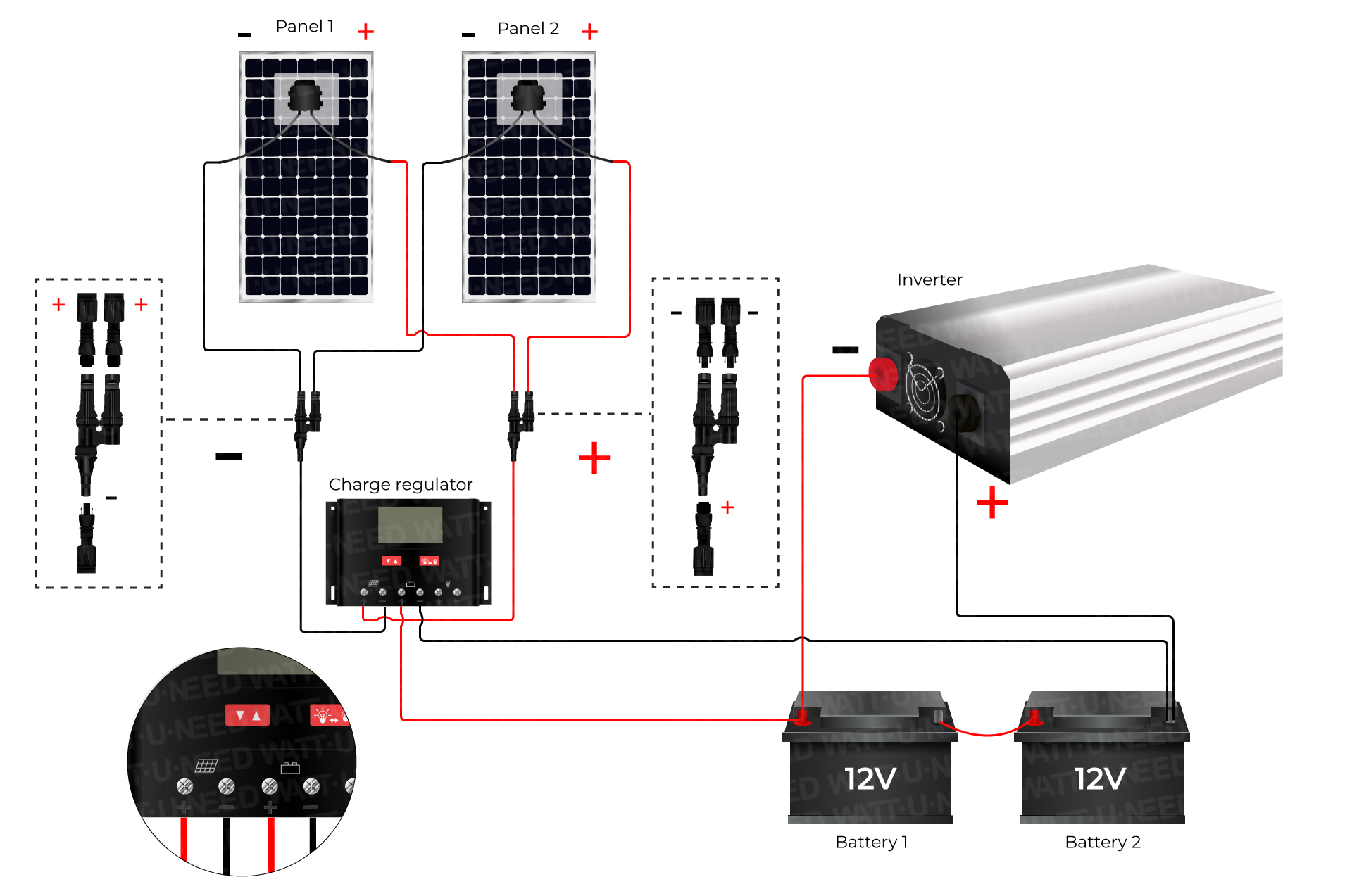
6️⃣ Size the Charge Controller (If Separate)
If using a separate controller:
Controller rating ≥ Total panel current
I always prefer:
✔ MPPT controller
Why?
- Higher efficiency
- Better performance in cloudy weather
- Supports higher voltage arrays
Never undersize the controller.
7️⃣ Account for Surge Loads


4
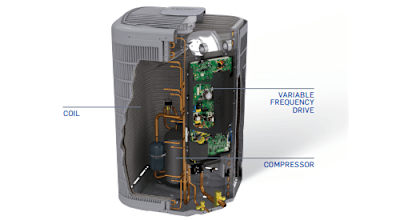
Motors draw high startup current.
Examples:
- Fridge
- Pump
- AC
Rule I follow:
Largest appliance × 3 = Required surge capacity
Your inverter must handle that.
8️⃣ Include Proper Protection & Cable Sizing
Sizing is not complete without protection.
I always include:
✔ Correct cable thickness
✔ Battery breaker/fuse
✔ AC output breaker
✔ Earthing system
✔ Surge protection devices
Undersized cables waste power and overheat.
Example Final System for 3.6kWh/day Home
- 1.2kW solar panels
- 48V 150Ah lithium battery
- 3kVA inverter
- MPPT controller
- Complete protection system
Balanced. Reliable. Efficient.