How to Design an Off-Grid Solar System for Homes
A Practical Step-by-Step Guide From My Real Installation Experience
Designing an off-grid solar system is not just about buying panels and batteries. It’s about engineering a complete, balanced power ecosystem that can reliably power a home without grid electricity.
Over the years, I’ve designed and installed off-grid systems for rural homes, urban residences with unstable grid supply, and even fully independent energy setups. In this guide, I’ll walk you through exactly how I design an off-grid solar system — step by step.
1️⃣ Understand What “Off-Grid” Really Means
An off-grid solar system operates independently of utility power. That means:
- No grid backup
- No net metering
- Full reliance on solar + batteries
The core components I always design around are:
- Solar panels
- Charge controller (or hybrid inverter)
- Battery bank
- Inverter
- Mounting structure
- Protection devices
2️⃣ Calculate the Home’s Daily Energy Consumption
This is the most important step.
Before selecting equipment, I calculate total daily energy use in watt-hours (Wh).
Step 1: List All Appliances
Example:
| Appliance | Power (W) | Hours Used | Daily Usage (Wh) |
|---|---|---|---|
| LED bulbs (6) | 60W total | 5 hrs | 300Wh |
| TV | 120W | 4 hrs | 480Wh |
| Fridge | 150W avg | 8 hrs | 1200Wh |
| Fans (2) | 150W | 6 hrs | 900Wh |
Total = 2,880Wh per day (2.88kWh)
I then add 20–30% buffer for system losses.
Adjusted total ≈ 3,600Wh per day.
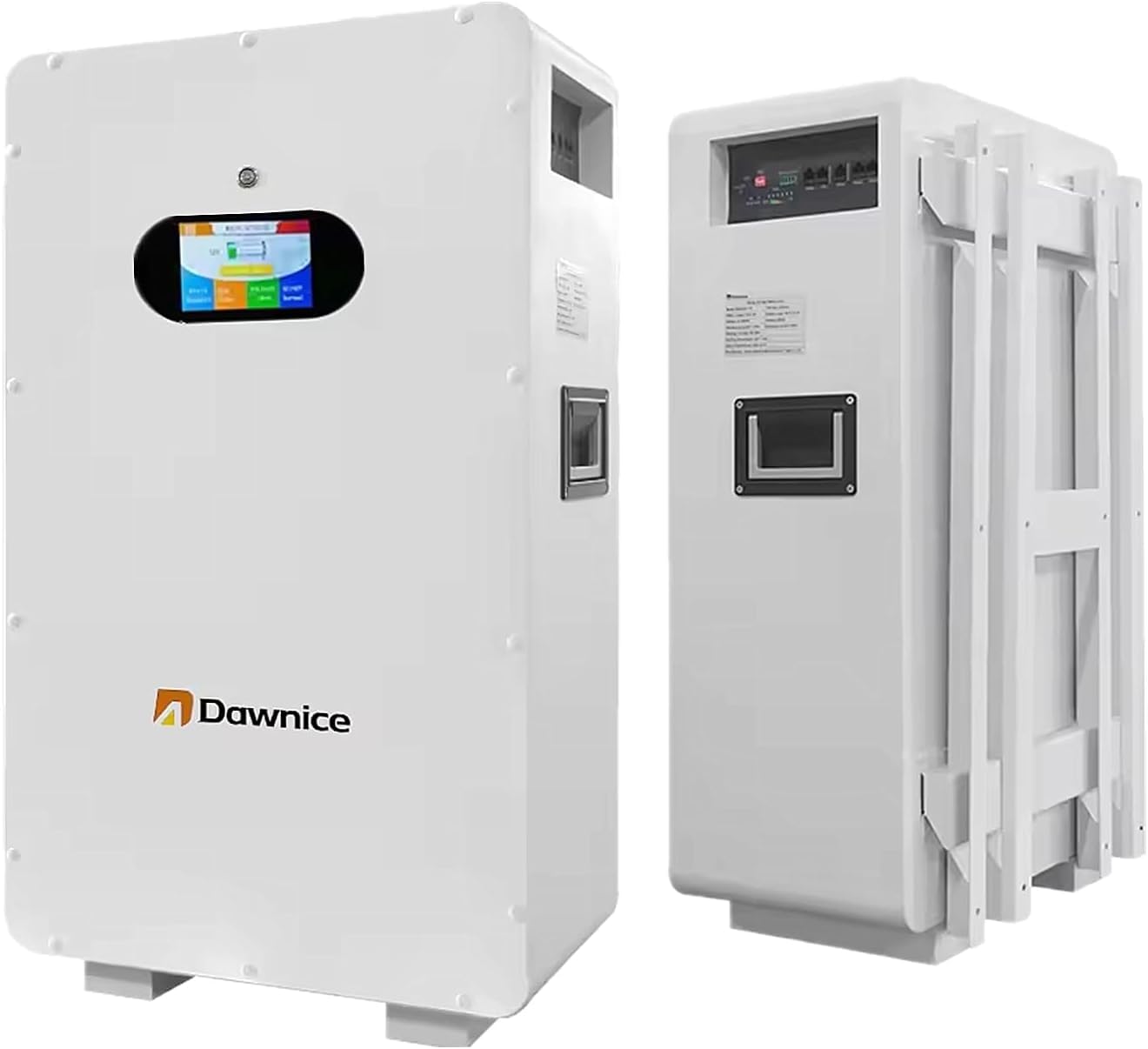
3️⃣ Size the Battery Bank


4
Batteries are the backbone of an off-grid system.
I determine:
- Required daily energy (Wh)
- Days of autonomy (usually 1–2 days)
- Depth of discharge (DoD)
Example Calculation:
Daily need: 3,600Wh
2 days autonomy = 7,200Wh
If using 48V lithium battery:
Required Ah = 7,200 ÷ 48 = 150Ah
So I’d recommend:
- 48V 150Ah lithium battery (minimum)
For lead-acid, I oversize due to 50% DoD limit.
4️⃣ Size the Solar Panel Array
Next, I size panels to recharge batteries fully during sunlight hours.
Formula I use:
Daily energy ÷ Peak Sun Hours = Required panel watts
If location has 5 peak sun hours:
3,600Wh ÷ 5 = 720W
Adding system losses (25%):
720W × 1.25 ≈ 900W
So I’d install:
- 3 × 400W panels (1,200W total for safety margin)
I always oversize slightly to handle cloudy days.
5️⃣ Select the Right Inverter
The inverter must handle:
- Total running load
- Surge load (especially refrigerators & pumps)
If total running load is 1,000W,
I choose at least a 3kVA inverter.
Why?
Because appliances like fridges can draw 2–3× startup surge.
Always choose:
- Pure sine wave inverter
- 48V system for larger homes (more efficient)
6️⃣ Choose the Correct Charge Controller
For off-grid systems, I always prefer:
MPPT (Maximum Power Point Tracking)
It:
- Increases efficiency
- Handles higher panel voltages
- Charges batteries faster
The controller must match:
- Battery voltage (12V / 24V / 48V)
- Total panel current
7️⃣ Design the System Voltage Properly
Here’s how I decide:
- Small home → 12V or 24V
- Medium home → 24V
- Large home → 48V
Higher voltage:
- Reduces cable losses
- Improves efficiency
- Allows smaller cable size
Most modern residential systems I design are 48V.
8️⃣ Plan Wiring & Protection
Safety is non-negotiable.
I include:
- DC breakers between panels and inverter
- Battery fuse or breaker
- AC output breaker
- Proper earthing system
- Surge protection devices
Cable sizing must handle maximum current with minimal voltage drop.
9️⃣ Mounting Structure Design
The panels must be:
- Securely anchored
- Properly tilted
- Wind resistant
- Corrosion resistant
Tilt angle depends on geographic location (typically 10–30° in many tropical regions).
🔟 System Monitoring & Optimization
Modern inverters provide:
- Battery status
- Solar input
- Load consumption
- Fault alerts
I always configure:
- Battery charging parameters
- Low voltage cutoff
- Overload protection
Proper configuration extends battery life.
Example Basic Off-Grid Design Summary
For a 3.6kWh/day home:
- 1.2kW solar panel array
- 48V 150Ah lithium battery
- 3kVA hybrid inverter
- MPPT controller (if separate)
- DC/AC protection system
- Proper earthing
Common Mistakes I Avoid When Designing Off-Grid Systems
- Undersizing batteries
- Ignoring surge loads
- Not adding system losses
- Choosing cheap PWM controllers
- Using undersized cables
- No grounding
These mistakes lead to early failure.
Final Thoughts
Designing an off-grid solar system is about balance:
✔ Panels must recharge batteries fully
✔ Batteries must last through the night
✔ Inverter must handle load surges
✔ Protection must prevent damage
When I design correctly, homeowners enjoy:
- 24/7 reliable electricity
- Zero fuel cost
- Long equipment lifespan
- Energy independence
If you design it right the first time, an off-grid solar system can power a home reliably for 10–20+ years with minimal maintenance.
Solar freedom isn’t complicated — it just requires smart engineering.