Rooftop Solar Installation Guide for Residential Buildings
A Practical Step-by-Step Guide From My Field Experience
Rooftop solar is one of the smartest upgrades a homeowner can make — especially in regions where grid power is unstable or electricity bills keep rising.
Over the years, I’ve installed rooftop systems on concrete roofs, corrugated sheets, and tiled residential buildings. One thing I’ve learned is this:
A successful rooftop solar installation is 50% planning and 50% precision.
In this guide, I’ll walk you through the complete process — from assessment to commissioning.
1️⃣ Initial Roof Assessment
Before I mount any panel, I carefully inspect the roof.
What I Check:
- Structural strength
- Roof age and condition
- Load-bearing capacity
- Roof material (concrete, zinc, aluminum, tiles)
- Available space
- Shading from trees or buildings
If the roof is weak or already leaking, installation must wait. Solar panels typically last 25+ years — your roof should too.
2️⃣ Choosing the Right Mounting Structure
The mounting system must match the roof type.
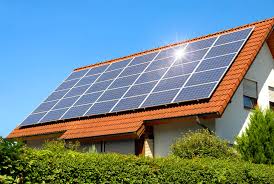
For Pitched Roofs:
- Rail-based aluminum mounting
- Roof hooks or L-feet
- Waterproof flashing
For Flat Concrete Roofs:
- Tilted mounting frames
- Ballasted systems (if penetration avoided)
- Chemical anchor bolts
I always use corrosion-resistant materials like anodized aluminum or galvanized steel.
3️⃣ Determining Tilt and Orientation
Proper orientation increases energy yield significantly.
In the Northern Hemisphere (including Nigeria), I:
- Face panels south
- Use tilt angles between 10°–30° depending on roof and location
If roof direction isn’t ideal, I compensate with tilt frames where possible.
4️⃣ Structural Anchoring & Waterproofing
Roof penetrations must be handled professionally.
I ensure:
- Expansion or chemical anchors are properly installed
- Sealant applied around every penetration
- Flashing used where necessary
- No exposed drilling gaps
Poor waterproofing leads to leaks — and that damages reputation.
5️⃣ Solar Panel Installation
When mounting panels, I verify:
- Proper mid and end clamp torque
- Equal spacing between panels
- No shading overlap
- Panels aligned neatly
- Adequate airflow underneath
Airflow prevents overheating and improves efficiency.
6️⃣ DC Wiring and Cable Management
DC wiring must be:
- UV-resistant
- Properly clipped
- Not hanging loose
- Protected from sharp edges
I also install:
- DC isolators
- Proper MC4 connectors
- Correct string configuration
Neat wiring is not just aesthetic — it’s safety.
7️⃣ Inverter Placement
The inverter must be:
- Installed indoors or in shaded space
- Properly ventilated
- Mounted firmly on wall
- Close to battery bank (if off-grid or hybrid)
Heat reduces inverter lifespan, so I never install them in tight, hot ceiling spaces.
8️⃣ Battery Installation (If Applicable)
For off-grid or hybrid systems:
- Install batteries in ventilated area
- Use correct cable sizing
- Install battery fuse/breaker
- Configure charging parameters properly
Lithium batteries require BMS communication setup.
9️⃣ Earthing & Surge Protection
Every rooftop installation must include:
- Equipment grounding
- Earth rod installation
- AC & DC surge protection
- Lightning arrestor where necessary
Rooftop systems are exposed — lightning protection is critical.
🔟 Testing & Commissioning
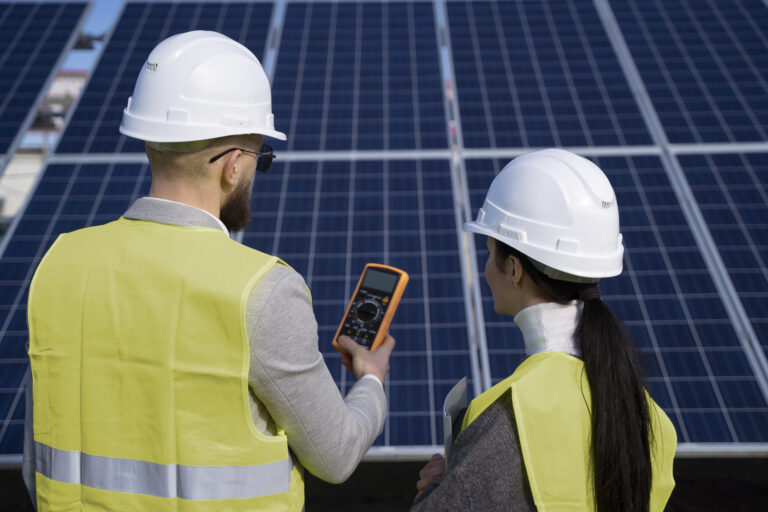
Before handover, I test:
- Open circuit voltage (Voc)
- String voltage within inverter limit
- Battery charging current
- Inverter AC output
- Earth resistance
Then I monitor performance under load.
Safety Considerations for Rooftop Installations
Working on rooftops involves risk.
I ensure:
- Use of safety harness
- Stable ladders
- No installation during rain
- Proper PPE (gloves, insulated tools)
- No live wiring
Safety protects everyone.
Common Rooftop Installation Mistakes I Avoid
- Ignoring wind load
- Poor waterproof sealing
- Undersized cables
- Incorrect tilt angle
- No surge protection
- Blocking drainage paths
These errors cause long-term damage.
How Much Space Do You Need?
As a rough estimate:
- 1kW system requires about 5–7 square meters
- 5kW system requires about 25–35 square meters
Panel wattage affects space requirement.
Final Thoughts
A rooftop solar installation should:
- Be structurally secure
- Electrically safe
- Weather-resistant
- Professionally configured
- Properly documented
When done right, rooftop solar can power a residential building for decades with minimal maintenance.
In my experience, the key to a successful rooftop installation is simple:
Plan carefully. Install precisely. Verify thoroughly.
Because once panels go up, they’re expected to stay there for 25+ years.