Professional Solar Installation Standards Every Installer Must Follow
A Practical Compliance Guide From My Field Experience
Over the years, I’ve come to understand one truth in solar engineering:
Solar installation is not just about mounting panels and connecting wires — it is about following professional standards that ensure safety, durability, and long-term performance.
Any installer can “make it work.”
A professional installer makes it safe, compliant, and reliable for 20+ years.
In this guide, I’ll walk you through the core professional solar installation standards every installer must follow.
1️⃣ Electrical Installation Standards
Professional solar systems must comply with recognized electrical codes such as:
- IEC 60364 – Low-voltage electrical installations
- IEC 62548 – PV array design requirements
- IEC 61643 – Surge protection
- National Electrical Code (NEC) – Widely referenced global best practice
Even if local enforcement is relaxed, I design installations to meet international best practices.
What I Verify:
- Proper cable sizing
- Correct breaker ratings
- Proper isolation switches
- Neutral and earth separation
- Correct polarity everywhere
Electrical safety is non-negotiable.
2️⃣ Structural & Mechanical Standards
Solar structures must withstand:
- Wind loads
- Rain and corrosion
- Thermal expansion
- Long-term vibration
Professional requirements include:
- Hot-dip galvanized steel or anodized aluminum
- Proper anchoring (chemical anchors or expansion bolts)
- Waterproof roof penetrations
- Wind load calculation before installation
- Proper torque on bolts
I never guess structural strength — I calculate it.
3️⃣ DC Wiring Standards (High-Risk Area)
DC voltage in solar systems can exceed 150V–600V depending on design. That is dangerous if poorly installed.
Professional DC standards require:
- UV-resistant solar cables
- Proper MC4 crimping tools
- No mixed connector brands
- Proper cable routing and clipping
- DC isolators installed
- String voltage within inverter MPPT limits
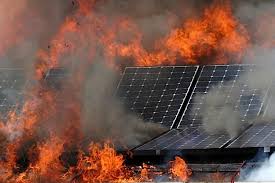
Loose DC connections are a major fire risk.
4️⃣ Earthing & Lightning Protection Standards
Lightning protection must comply with:
- IEC 62305 – Protection against lightning
- IEC 60364-5-54 – Earthing arrangements
Professional installers must ensure:
- All metallic frames bonded
- Earth resistance tested
- Surge Protection Devices (SPD Type 1 & 2 where required)
- Dedicated lightning down conductor
- Proper earth rod depth
In high-lightning regions, this is critical.
5️⃣ Battery Installation Standards
Professional standards require:
- Proper ventilation (for lead-acid batteries)
- Correct cable sizing
- Battery fuse protection
- Equal cable lengths in parallel banks
- No mixing of old and new batteries
- BMS communication verified (for lithium)
Improper battery wiring causes overheating and early failure.
6️⃣ Inverter Installation Standards
A professional inverter installation must ensure:
- Proper ventilation clearance
- Secure mounting
- Correct battery voltage configuration
- AC protection devices installed
- Firmware properly configured
- Grid settings compliant (for hybrid/grid-tied systems)
Incorrect configuration voids warranty.
7️⃣ Documentation & Labeling Standards
This is where many installers fail.
Professional standards require:
- Clear labeling of AC & DC isolators
- Warning labels on distribution boards
- Wiring diagrams provided
- Equipment manuals handed over
- Warranty documentation delivered
Good documentation protects both installer and client.
8️⃣ Testing & Commissioning Standards
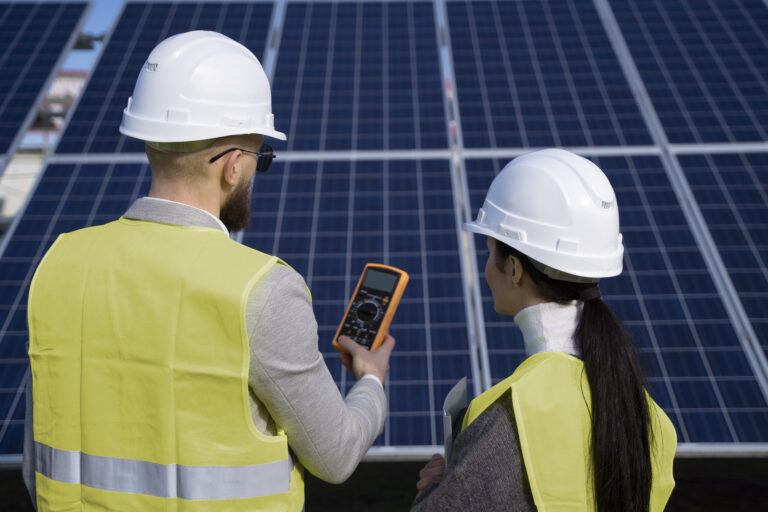
Before system handover, I always test:
- Open Circuit Voltage (Voc)
- Short Circuit Current (Isc)
- Earth resistance
- Inverter output voltage
- Charging current
- Load performance
Commissioning without testing is unprofessional.
9️⃣ Safety Standards
Professional installers must follow:
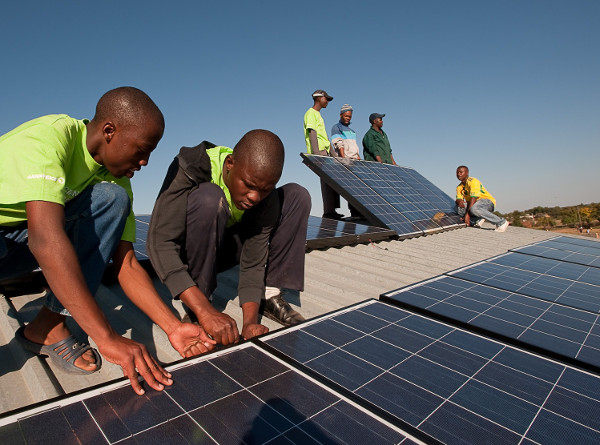
- PPE usage (gloves, insulated tools, harness for rooftop work)
- Lockout/Tagout procedures
- No live wiring
- Fire extinguisher on site
- Ladder and roof safety measures
Safety protects both installer and property.
🔟 Quality Control & Long-Term Reliability
Professional standards go beyond installation. They include:
- Annual inspection recommendations
- Maintenance guidelines
- Performance monitoring setup
- Clear client training
A good system should last 20–25 years.
That only happens when standards are followed from day one.
Common Violations I See in the Field
- No surge protection
- Undersized cables
- No proper earthing
- Poor roof sealing
- Loose battery terminals
- No documentation
These shortcuts eventually cause system failure.
Final Thoughts
In my professional opinion, following installation standards is what builds:
- Trust
- Safety
- Reliability
- Reputation
Solar is a long-term investment. Cutting corners today creates problems tomorrow.
If you are an installer, standards protect your business.
If you are a client, standards protect your money.