Designing Solar Systems for Harsh Weather Conditions
How I Engineer Solar Installations That Survive Heat, Storms, Dust, and Flooding
When people think about solar design, they often focus on panels, batteries, and inverters. But in my experience, especially working in Africa where weather can be extreme, the real challenge is not just generating power — it’s designing systems that survive harsh weather conditions for years without failure.
I’ve seen systems fail because someone ignored heat buildup. I’ve seen mounting systems ripped off roofs after heavy winds. I’ve seen battery banks destroyed because no one considered temperature or flooding risk.
In this post, I’ll walk you through exactly how I design solar systems that withstand:
- Extreme heat
- Heavy rainfall and flooding
- High winds and storms
- Dust and humidity
- Lightning and electrical surges
This is the same approach I use in my professional installations.
1. Designing for Extreme Heat
In many parts of Nigeria and West Africa, rooftop temperatures can exceed seventy degrees Celsius. That heat affects everything.
What Heat Does to Solar Systems
- Reduces panel efficiency
- Shortens inverter lifespan
- Damages batteries
- Causes cable insulation breakdown
What I Do Differently
I Oversize Slightly for Heat Loss
Solar panels lose efficiency as temperature increases. I factor in temperature derating during system calculations. If the client needs five kilowatts, I don’t size it exactly at five kilowatts. I account for heat-related performance drop.
I Ensure Proper Ventilation
I never install inverters in sealed rooms. I ensure:
- Cross ventilation
- Air gaps behind panels
- No direct sun exposure on inverters
I Elevate Panels Properly
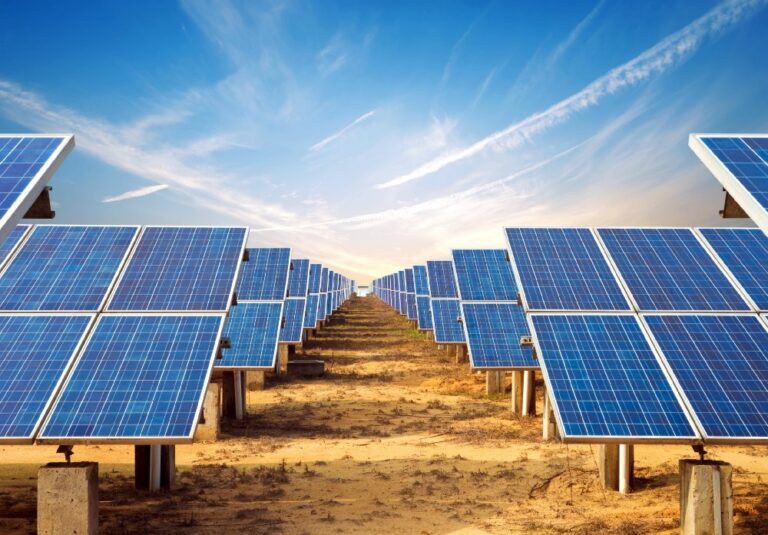
I maintain a minimum clearance between the roof and panel frame to allow airflow. Heat trapped under panels reduces performance.
For Batteries
Lithium batteries perform better in heat than traditional flooded batteries, but even lithium needs ventilation. I avoid placing battery banks in attic spaces.
2. Designing for Heavy Rain and Flooding
Water is one of the biggest threats to solar systems.
Risks Include:
- Water entering junction boxes
- Corrosion of terminals
- Battery short-circuit
- Inverter failure
My Design Strategy
I Use Proper IP-Rated Equipment
Outdoor components must have appropriate Ingress Protection ratings. For example:
- IP65 or higher for combiner boxes
- Waterproof MC4 connectors
I Elevate Ground-Mounted Systems
If installing at ground level, I raise the mounting structure to avoid flood water contact.
I Protect Cable Entry Points
Water often enters through poorly sealed cable routes. I use:
- Cable glands
- Proper sealing compounds
- Drip loops to prevent water travel
One small mistake here can destroy an entire system.
3. Designing for High Winds and Storms
Wind uplift is underestimated.
During storms, panels behave like wings. If mounting is weak, the system can be ripped off.
What I Always Check
Roof Structure Strength
Before installation, I assess:
- Roof truss condition
- Sheet thickness
- Structural anchoring points
Wind Load Calculations
I design mounting systems to withstand regional wind speeds. Coastal areas require stronger reinforcement.
I Never Rely on Self-Tapping Screws Alone
Proper anchor bolts into rafters are mandatory.
If the structure cannot handle it, I reinforce it before installing.
4. Designing for Dust and Harmattan Conditions
Dust reduces solar efficiency dramatically.
In dry seasons, I’ve measured output drops of up to twenty percent due to dust accumulation.
My Preventive Approach
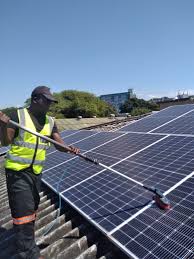
- I design tilt angles that allow natural cleaning by rainfall.
- I educate clients on cleaning frequency.
- I avoid very low tilt installations unless unavoidable.
In dusty industrial areas, I may slightly oversize the array to compensate for seasonal losses.
5. Designing for Humidity and Corrosion
High humidity destroys cheap materials.
What I Do
- Use corrosion-resistant mounting (galvanized or aluminum).
- Avoid mixing incompatible metals to prevent galvanic corrosion.
- Apply anti-rust protection where necessary.
I’ve seen entire mounting systems weakened within three years because installers used poor-quality steel.
6. Designing for Lightning and Power Surges
This is critical in tropical regions.
My Lightning Protection Checklist
- Proper earthing system
- Dedicated earth rods
- Surge Protection Devices (SPDs) on:
- DC side
- AC side
- Distribution board
Skipping surge protection is one of the costliest mistakes an installer can make.
7. Smart System Monitoring for Harsh Conditions
Weather stress often shows early warning signs.
That’s why I always recommend monitoring systems that allow clients to:
- Track performance drops
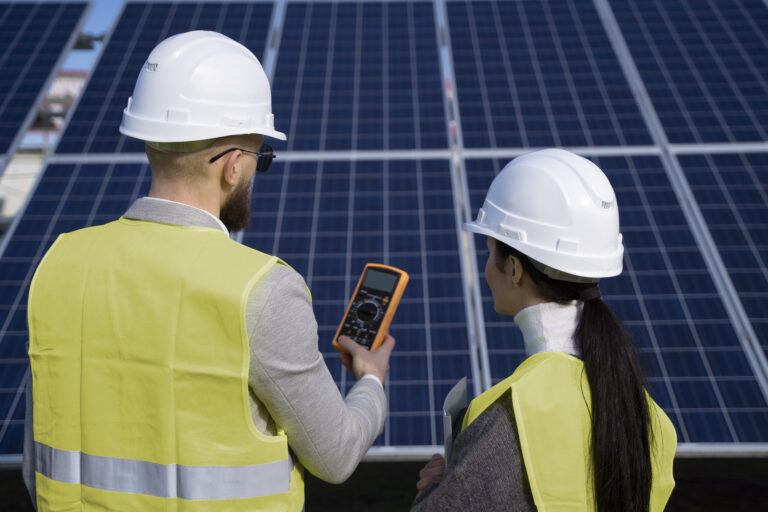
- Detect overheating
- Monitor battery health
- Identify abnormal voltage patterns
Early detection prevents major failures.
My Design Philosophy
When I design a solar system for harsh weather, I don’t design for “normal days.”
I design for:
- The hottest day of the year
- The heaviest rainfall
- The strongest windstorm
- The dustiest dry season
Because if your system survives the worst conditions, it will perform excellently on normal days.
Common Mistakes I See Installers Make
Let me be honest.
Most failed systems I inspect failed because of:
- Undersized cables
- Poor ventilation
- Weak mounting
- No surge protection
- Ignoring environmental factors
Solar engineering is not just about connecting components. It’s about designing for real-world stress.
Final Thoughts
Designing solar systems for harsh weather conditions requires:
- Engineering thinking
- Environmental awareness
- Quality materials
- Long-term planning
If you design properly from the beginning, your system can last fifteen to twenty-five years even in extreme climates.
As installers, we must stop designing for convenience and start designing for durability.
Because the true test of a solar system is not installation day.
It’s how it performs after five rainy seasons, three harmattan cycles, and multiple heat waves.
That’s the standard I hold myself to — and that’s the standard every professional installer should aim for.