Parasitic Loads Are Stealing Your Clients’ Power — Here’s How I Found Them
If you’ve ever installed a solar system that looked perfect on paper but still drains batteries too fast… this article is for you.
I used to get calls like this:
“Engineer, the batteries are not lasting.”
“We charged it fully yesterday, but by morning it’s low.”
“This inverter is not strong.”
At first glance, everything seems fine:
- Panels are okay
- Batteries are new
- Inverter is correctly sized
But something is quietly stealing power.
That’s when I started hunting parasitic loads.
What Are Parasitic Loads?
Parasitic loads are small, continuous power draws that run 24/7 — even when nobody is consciously using electricity.
They’re silent.
They’re constant.
And over time, they destroy backup performance.
Examples include:
- Routers
- Decoders
- CCTV systems
- WiFi extenders
- Standby TVs
- Inverter self-consumption
- LED indicator lights
- Phone chargers left plugged in
Individually, they look harmless.
Together? They drain your battery bank overnight.
The First System That Taught Me This Lesson
I once handled a 5kVA system with 4 × 200Ah batteries.
Client complaint:
“Backup doesn’t last till morning.”
Load during the day? Normal.
Battery voltage at sunset? Healthy.
But by 5am — low battery alarm.
So I did something simple.
At night, I turned off every major appliance.
Then I checked the inverter load display.
It was still showing 180–220W.
Nobody was using anything.
That’s when I knew — parasitic loads were the thief.
How I Tracked Them Down
Step 1: I Measured Night-Time Idle Load
I asked the client:
“Let’s pretend NEPA has taken light. Turn everything off.”
Then I checked:
- Inverter load reading
- Clamp meter on output line
- Individual circuit breakers
If the system still shows 150W+ with “nothing on,” something is hiding.
Step 2: I Isolated Circuits One by One
I switched off breakers one after the other.
And watched the inverter load drop.
When I switched off the socket circuit — boom.
Load dropped from 200W to 60W.
That’s how I narrowed it down.
Then we started unplugging devices:
- Router
- Decoder
- CCTV DVR
- Sound system
- TV on standby
One by one.
The hidden load was coming from:
- 4 CCTV cameras + DVR (70–90W continuous)
- 2 routers
- TV on standby
- Water dispenser always heating
- Phone chargers plugged in
All together? Over 180W.
Let’s Do the Math
180W × 10 hours overnight = 1,800Wh (1.8kWh)
That’s almost:
- One full 200Ah 12V battery worth of energy.
And the client thought the batteries were bad.
No.
Power was leaking all night.
Why Parasitic Loads Are Dangerous in Solar Systems
In grid-only homes, you don’t notice them.
But in solar systems:
- Batteries have limited storage.
- Depth of discharge matters.
- Overnight load determines backup success.
Parasitic loads:
- Shorten battery lifespan
- Increase depth of discharge
- Create false “battery failure” symptoms
- Reduce client confidence
And the installer gets blamed.
How I Now Prevent This in Every Installation
Now, I do things differently.
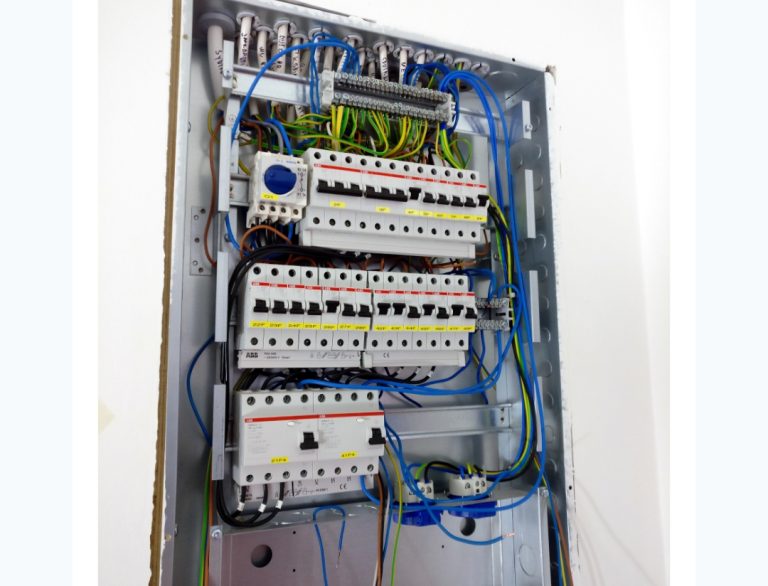
1️⃣ I Create an Essential Load Panel
Not everything belongs on the inverter.
Routers and CCTV? Fine.
Water heater? No.
Dispenser heater? No.
I separate circuits properly.
2️⃣ I Measure Idle Load Before Handover
Before I leave site, I simulate night conditions.
If idle load is above 80–100W in a residential system, I investigate.
3️⃣ I Educate the Client
I explain:
- Standby power is real
- Chargers consume power even when not charging
- Dispensers and heaters must be switched off
- CCTV consumes power 24/7
When clients understand this, complaints reduce drastically.
The Real Problem Most Installers Miss
Most installers focus on:
- Panel wattage
- Battery capacity
- Inverter size
But ignore load behavior.
Solar is not just about generation.
It’s about energy management.
A well-sized system can still fail if parasitic loads are unchecked.
Final Thoughts
When a client says:
“My batteries don’t last.”
Don’t rush to blame the batteries.
Check what is quietly running in the background.
Because parasitic loads don’t make noise.
They don’t trip breakers.
They don’t show dramatic faults.
They just slowly steal power — every single night.
And once I started hunting them, I stopped replacing “bad batteries” unnecessarily.
That’s how I found the real thief.
And that’s how I protect my clients’ systems today.