Designing Solar Systems for Reality
When I install solar systems, I don’t just follow a textbook or copy a standard design. I design real systems that work in the real world—systems that survive the sun, the load, and everyday use. Over the years, I’ve learned that reality often doesn’t match theory, and that’s why a good design matters. Here’s how I approach it.
1. I Start With Real Energy Needs
I always begin by asking my clients exactly what they want to power. Sometimes they tell me, “Just the lights and fridge,” but reality is different: phones, fans, TVs, and even small AC units get used all the time. I:
- List all appliances with their wattage.
- Calculate daily energy consumption in kilowatt-hours.
- Separate what needs night backup versus daytime-only usage.
This step alone saves clients from buying oversized or undersized batteries and panels. Reality is rarely the same as estimates.
2. I Factor in Real Battery Performance
Even a new battery doesn’t always deliver its rated capacity if conditions aren’t right. I make sure to:
- Choose the right type (lithium, lead-acid, AGM, or gel) based on usage and environment.
- Size the battery for the actual load, not a guess.
- Respect the depth of discharge so the battery lasts years instead of months.
I’ve seen many “new” batteries fail quickly because installers didn’t respect real-world usage.
3. I Select the Inverter Based on Real Load
The inverter is more than a box—it determines how well the system delivers power. I carefully:
- Size it for peak load, not just average consumption.
- Choose the type (hybrid, off-grid, or grid-tie) that fits the client’s lifestyle.
- Ensure voltage compatibility with the battery.
A properly matched inverter prevents constant battery drain and protects appliances.
4. I Size Panels for Reality
Panels often get too much attention—but I focus on what they can actually deliver in real conditions:
- Correct number of panels to meet energy demand and charge the battery.
- Proper orientation and tilt to catch sunlight year-round.
- Factor in shading, dust, and temperature losses.
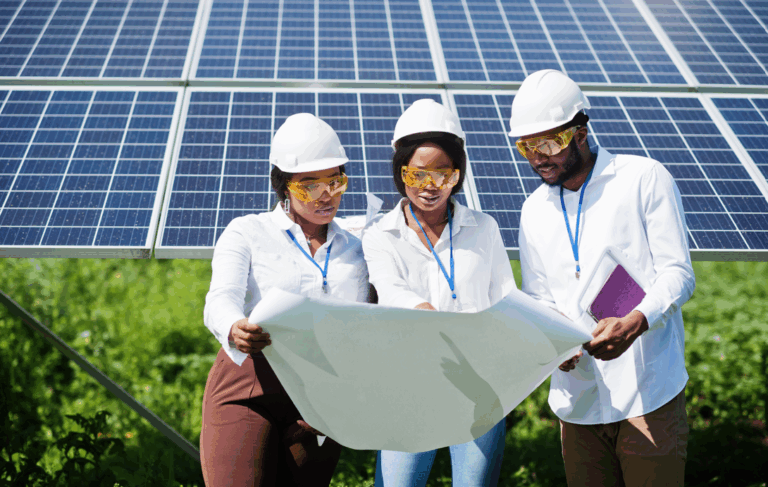
I sometimes use tools like the Globisun Solar app to simulate daily performance before installation. This avoids guesswork and ensures clients get what they’re promised.
5. I Prioritize Real-World Safety
A system that isn’t safe isn’t reliable. I make sure:
- Wires and cables are sized correctly to prevent voltage drop.
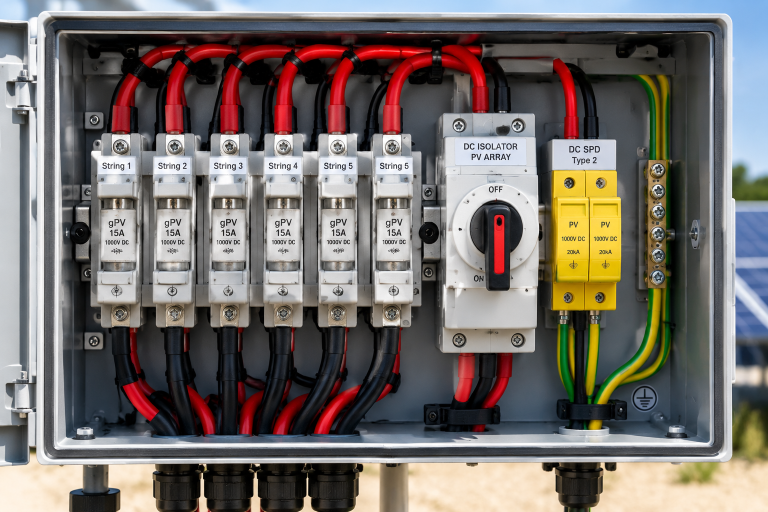
- Proper earthing and fuses protect against faults.
- Batteries and inverters have ventilation to prevent overheating.
Safety isn’t optional—it’s part of designing for reality.
6. I Include Monitoring and Maintenance
Reality means things change. Appliances get added, batteries age, and panels get dusty. That’s why I include:
- Battery and inverter monitoring.
- Alerts for system issues.
- Simple maintenance guidance.
This way, my clients always know how their system is performing, and problems are caught early.
7. I Document the System
I never leave clients guessing. I provide:
- Panel layout and orientation.
- Wiring and connection diagrams.
- Battery and inverter specs.
- Expected daily and monthly energy output.
Good documentation is essential for real-world troubleshooting and long-term reliability.
Key Principles I Follow
- Reality comes first: I design systems based on real usage, not theory.
- Battery + inverter must match load: Mismatched components fail fast.
- Panel placement matters: Even the best panels underperform if poorly positioned.
- Safety is non-negotiable: Proper fusing, earthing, and ventilation are critical.
- Monitoring ensures reliability: Clients need visibility into their system’s health.
Designing solar systems for reality means balancing performance, safety, and longevity. When I approach a project this way, I know my clients will have a system that works every day, under real conditions, without surprises.