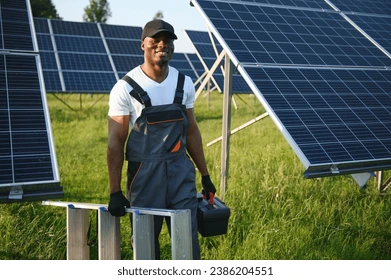
How to Design Solar Systems as a Professional Installer
When people think about solar systems, they often imagine just putting panels on the roof and connecting a battery. But I’ve learned that serious solar design is much more than that. Every system I install follows a careful process to make sure it’s safe, efficient, and reliable for the client. Here’s how I do it step by step:
1. I Start With a Load Assessment
The first thing I do is figure out how much energy my client really needs. I ask them to list every appliance they want to run—lights, fans, fridge, TV, AC, and so on. Then, I check the power rating of each device and calculate the total daily energy consumption in kilowatt-hours (kWh).
I also figure out which devices need backup at night and which can run only during the day. This step is crucial because I’ve seen too many systems fail simply because the load wasn’t properly calculated.
2. I Choose the Right Battery
Once I know the energy demand, I pick a battery that fits perfectly. I consider:
- The type of battery: Lithium, lead-acid, AGM, or gel.
- The capacity: Enough to run essential loads for the backup time the client wants.
- The depth of discharge: I never push batteries beyond safe limits—this keeps them healthy and long-lasting.
For example, I usually allow lithium batteries to use up to 80–90% of their capacity, while lead-acid batteries stay above 50%.
3. I Select the Correct Inverter
The inverter is key because it converts DC power from the panels or battery into AC power for the home. I make sure:
- The inverter matches the client’s peak load.
- The type is right: hybrid, off-grid, or grid-tie.
- Efficiency is high, so energy isn’t wasted.
I also make sure the inverter voltage matches the battery, because I’ve seen too many mismatched systems that drain batteries fast or fail entirely.
4. I Size the Solar Panels
I don’t just throw panels on the roof. I carefully calculate:
- The number of panels needed to supply the daily energy and charge the battery.
- The orientation and tilt for maximum sunlight.
- Losses from shading, wiring, and temperature, so the system works reliably.
Sometimes I use apps like the Globisun Solar app to simulate the system before installing—this helps me avoid guesswork.
5. I Prioritize Efficiency and Safety
A system isn’t good if it’s unsafe or inefficient. I always make sure:
- Wires are sized properly to prevent voltage drops.
- Everything is earthing-protected against faults or lightning.
- Fuses and breakers are installed to protect the system.
- Batteries and inverters have proper ventilation, because heat shortens their life.
6. I Include Monitoring and Maintenance
I design my systems so clients can see how their system is performing. I include:
- Battery and inverter monitoring (voltage, current, state of charge).
- Alerts for any faults via apps or displays.
- Simple maintenance tips so the system lasts for years.
This makes a huge difference—I want my clients to know their system is healthy without guessing.
7. I Document Everything
Finally, I make a complete diagram and report for the client:
- Panel layout and orientation.
- Wiring diagram.
- Battery and inverter specifications.
- Expected energy output.
This is not just professional—it helps me troubleshoot later and gives the client confidence in their system.
My Key Principles
- Load comes first—I always start with what the client actually needs.
- Battery and inverter must match—mismatched systems fail fast.
- Panel placement matters—even the best panels fail if poorly positioned.
- Safety is non-negotiable—everything is fused, earthed, and properly ventilated.
- Monitoring ensures reliability—I want my clients to always know their system’s status.
When I design a solar system, it’s never guesswork. I focus on efficiency, safety, and reliability, so my clients get a system that actually works for them.