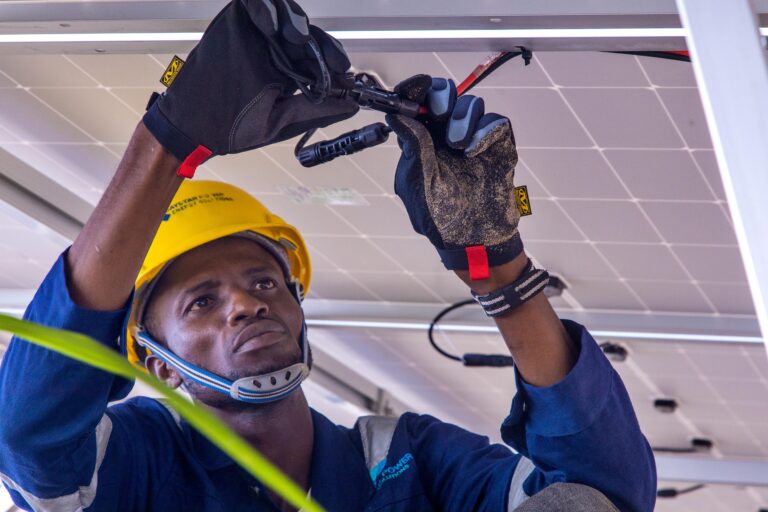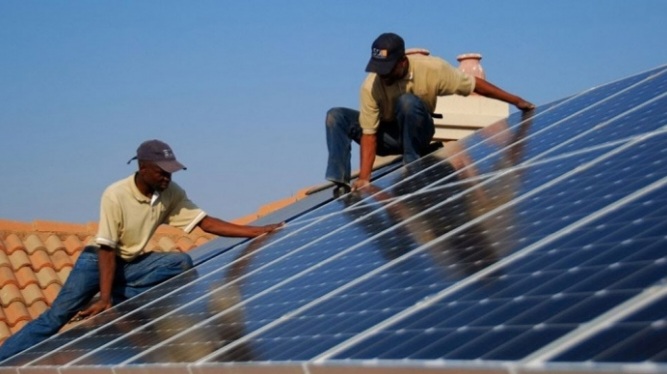
Why Solar Installers Don’t Read Manuals Before Installation — And the Dangers I See Every Day
One of the most common problems I see in solar installations today has nothing to do with bad products.
It’s installers not reading manuals before installation.
I see it when systems throw error codes during startup.
I see it when inverters shut down a few hours after installation.
I see it when batteries fail far earlier than they should.
By the time installers start asking questions, the problem is usually already written—in the manual that was skipped.

Why Solar Installers Skip Manuals Before Installation
From my experience, installers don’t skip manuals because they’re lazy.
They skip them because of how the industry currently works.
Solar Is Treated Like Plug-and-Play
Many installers approach solar the same way they approach basic electrical work: wire it, power it on, and move on.
But solar doesn’t work that way.
Every system needs:
- Correct battery chemistry selection
- Proper charging and discharging limits
- PV voltage and current matching
- Safety and protection settings
When these aren’t set correctly, the system responds with error codes—and installers are left confused.
Experience Replaces Specifications
I’ve noticed that both new and experienced installers fall into this trap.
They reuse:
- Old settings
- Familiar wiring habits
- Configurations from other brands
The danger is that every inverter and battery has different limits.
What worked on the last job can damage the next system.
WhatsApp Becomes the Manual
Instead of opening the manufacturer’s manual, many installers:
- Take a photo of the inverter screen
- Post it in a WhatsApp group
- Ask, “Who knows this error code?”
I see this almost daily.
The irony is that the same error code is usually explained—clearly—in the manual.
The Real Dangers of Not Reading Solar Manuals
This is where the problem becomes serious.
Skipping the manual doesn’t just cause inconvenience.
It creates real technical, financial, and safety risks.
Inverter Error Codes and System Shutdowns
Most error codes I encounter are caused by:
- Wrong battery settings
- PV input exceeding inverter limits
- Unsupported battery types
- Incorrect voltage cut-off values
These are not product faults.
They are installation and configuration errors.
Error codes are warnings, not failures.
Battery Damage and Early Failure
One of the most expensive consequences I see is battery damage.
When installers don’t read manuals:
- Batteries get overcharged
- Charging current exceeds safe limits
- Batteries are discharged too deeply
The result?
- Swelling
- Capacity loss
- Premature failure
And once a battery is damaged, it’s usually irreversible.
Inverter Damage
I’ve seen inverters destroyed simply because:
- PV voltage was too high
- Load limits were ignored
- Ventilation requirements were skipped
These failures are avoidable—but only if the manual is followed.
Fire and Electrical Safety Risks
This is the part that worries me the most.
Ignoring manuals can lead to:
- Poor grounding
- Wrong cable sizing
- Missing protection devices
These mistakes increase the risk of electrical shock and fire.
Solar is meant to reduce risk, not introduce new ones.
Voided Warranties and Financial Loss
Manufacturers don’t reject warranties randomly.
Most rejected claims I’ve seen come down to one issue:
the installation didn’t follow the manual.
When that happens:
- The installer bears the cost
- The customer is angry
- Trust is lost
Error Codes Are the System Asking You to Read the Manual
Whenever I see an installer panic over an error code, I know one thing:
The system is doing its job.
Error codes are not there to punish installers.
They’re there to protect the equipment and the user.
Most of the time, the solution is already documented.
What I Believe Solar Installers Must Change
From everything I’ve seen, this habit won’t stop unless installers change how they work.
- I believe manuals should be read before installation, not after failure
- I believe error codes should be understood, not feared
- I believe settings should never be copied blindly between brands
- I believe professionalism includes reading documentation
Final Thoughts
Solar installers don’t skip manuals because they don’t care.
They skip them because:
- Speed is rewarded
- Training is incomplete
- Informal learning is normalized
- Shortcuts are tolerated
But the dangers are real.
Every damaged battery, failed inverter, and safety incident I’ve seen traces back to one thing:
the manual was ignored.
In solar installations, the manual is not optional.
It is part of the system.