Why Fixing Another Solar Installer’s System Is Harder Than a New Installation
Every experienced solar installer will agree on one thing:
fixing another installer’s system is often harder than starting from scratch.
On paper, it looks simple—identify the fault, replace the bad component, and move on. In reality, inherited solar systems come with hidden problems, undocumented decisions, and assumptions that make troubleshooting frustrating and time-consuming.

1. You Didn’t Design the System
When you install a new system, you know:
- why each component was chosen
- how the load calculation was done
- where compromises were made
When fixing someone else’s work, you inherit decisions without context.
Was the inverter undersized intentionally?
Was the battery bank reduced to cut cost?
Were panels added later without recalculating the system?
Without design logic, troubleshooting becomes guesswork.
2. No Documentation, No Records
Most failed systems come with:
- no wiring diagram
- no load calculation
- no installation notes
- no commissioning data
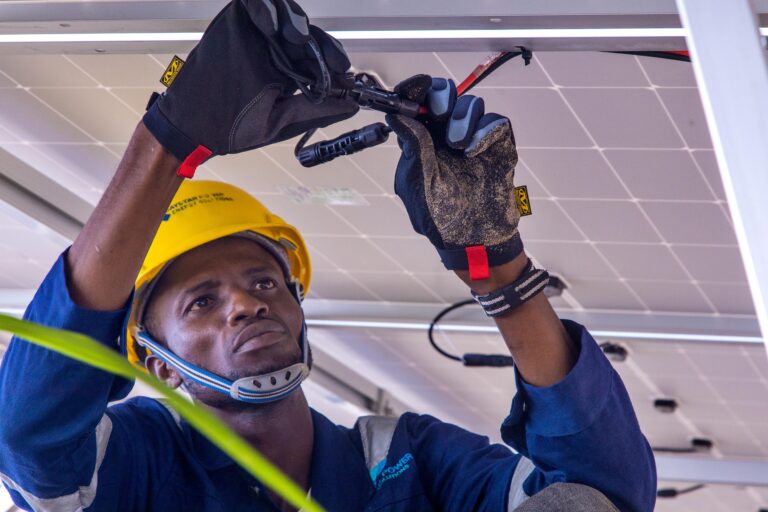
You’re left tracing cables, measuring voltages, and guessing ratings. This alone can take longer than installing a fresh system properly.
3. Mixed and Mismatched Components
A common reality in inherited systems:
- different battery brands mixed together
- panels with different wattages or voltages in one string
- AC and DC cables of different sizes
- fake or downgraded components quietly swapped
These mismatches cause subtle failures that are hard to detect immediately but keep reappearing after “repairs.”
4. Hidden Wiring Problems
Poor wiring is rarely visible at first glance.
You may encounter:
- undersized cables hidden inside conduits
- joints buried in ceilings
- reversed polarity corrected temporarily
- connectors that look fine but overheat under load
Unlike a new install, you can’t simply rewire everything without breaking walls or removing existing fittings.
5. Client Expectations Are Already Set
The client usually says:
“It was working before.”
“The installer said this is normal.”
“You are just supposed to fix one thing.”
But the system may be fundamentally flawed.
Explaining that multiple components need correction often creates tension, even when you’re right.
6. Blame Is Easily Transferred
If the system fails again:
- you get blamed
- not the original installer
- not the fake component seller
Even if the root problem existed before you touched the system, perception works against you.
7. Band-Aid Fixes Were Done Before You Arrived
Many systems have gone through:
- temporary fixes
- jumper wires
- software overrides
- bypassed protections
These fixes hide symptoms instead of solving the problem. When you remove them, new faults suddenly appear, making the system look worse before it gets better.
8. Some Problems Are Systemic, Not Component-Based
Replacing:
- a battery
- a panel
- an inverter
will not help if:
- the system is undersized
- seasonal variations were ignored
- load behavior was never managed
Inherited systems often need redesign, not repair—and that’s harder to sell to a frustrated client.
9. Why New Installation Is Easier
With a fresh install, you:
- design properly from scratch
- choose compatible components
- size everything correctly
- test and document performance
You control quality from start to finish.
No hidden surprises. No legacy problems.
10. How Installers Can Protect Themselves
Before fixing any existing system:
- do a full system audit
- document all findings
- explain limitations clearly to the client
- avoid promising quick fixes
- insist on correcting root causes, not symptoms
Your reputation is more important than accepting every job.
Final Thoughts
Fixing another installer’s system isn’t just technical work—it’s forensic investigation.
You’re untangling decisions you didn’t make, components you didn’t choose, and compromises you didn’t approve.
This is why experienced installers often say:
“Let me redo it properly.”
Because sometimes, repairing a broken design is harder than building a correct one from scratch.