How to Plan for Seasonal Variations in Solar Power Generation
Solar systems don’t fail overnight. In many cases, they are poorly planned for seasonal changes. A system that works perfectly in one season can struggle in another—not because the components are bad, but because seasonal solar variations were ignored during design.
Understanding and planning for these changes is one of the key differences between average installers and professional solar engineers.

1. Why Solar Output Changes With Seasons
Solar panels produce electricity from light, not heat—but environmental conditions still affect performance.
Seasonal factors include:
- changes in sunlight intensity
- cloud cover and rainfall
- ambient temperature
- dust and harmattan effects
- day length variations
Ignoring these factors leads to undercharging, battery stress, inverter tripping, and customer complaints.
2. Dry Season: High Sun, Hidden Problems
The dry season often gives installers false confidence because sunlight is strong. However, this season introduces its own challenges:
- high temperatures reduce panel efficiency
- inverter and battery overheating causes derating
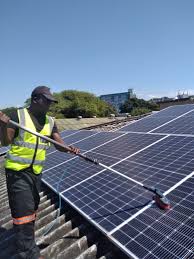
- dust accumulation blocks sunlight
- lithium batteries may reduce charge acceptance when hot
A system designed only for “sunny days” may silently lose 10–20% output during peak heat.
Planning tip:
Always account for temperature losses when sizing panels and ensure proper ventilation for inverters and batteries.
3. Rainy Season: Reduced Generation and Charging Delays
Rainy and cloudy seasons reduce:
- daily solar irradiation
- charging hours
- panel voltage consistency
This affects:
- battery charging completeness
- inverter uptime during extended cloudy days
- system reliability for critical loads
Planning tip:
Design systems with extra panel capacity to compensate for fewer effective sun hours.
4. Harmattan and Dust Impact
Dust and haze during harmattan significantly reduce panel output—even when sunlight appears bright.
Effects include:
- reduced light penetration
- uneven panel performance
- increased hotspot risk
Planning tip:
Plan for regular panel cleaning schedules and slight panel oversizing in dusty regions.
5. Panel Sizing for Seasonal Stability
One of the biggest mistakes installers make is sizing panels only to meet average load.
Professional planning requires:
- calculating daily energy demand
- dividing by worst-case peak sun hours (not best case)
- adding a safety margin of 20–30%
This ensures the system still charges batteries adequately during poor weather.
6. Battery Planning Across Seasons
Batteries suffer most when seasonal changes are ignored.
Common problems:
- shallow charging in rainy season
- excessive discharge during cloudy days
- heat-related lithium degradation in dry season
Planning tip:
- use lithium batteries with temperature protection
- design for at least one full day of autonomy
- avoid systems that require daily 100% sunshine to survive
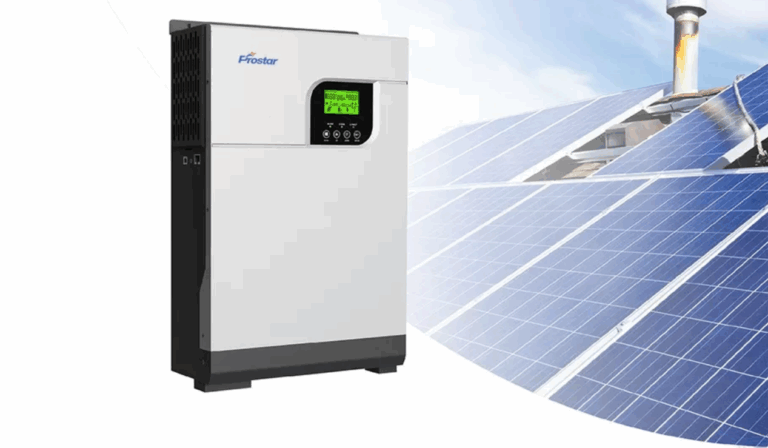
7. Inverter and Charge Controller Considerations
Seasonal variations affect voltage and current behavior.
Installers must consider:
- inverter derating due to heat
- MPPT voltage range during cloudy conditions
- charge controller current limits during bright dry days
Planning tip:
Choose MPPT controllers and inverters with wide operating ranges and thermal protection.
8. Load Management Strategy by Season
Clients often use more power during certain seasons:
- fans and cooling loads in dry season
- longer lighting hours in rainy season
Without load planning, systems fail even when correctly sized.
Planning tip:
Educate users on seasonal load adjustment and prioritize essential loads.
9. Real-World Installer Mistake
Many failed systems share one flaw:
They were designed using best-case solar conditions instead of worst-case reality.
Professional systems are designed to survive:
- cloudy weeks
- dusty months
- extreme heat
Not just perfect weather.
10. Final Thoughts
Seasonal variation is not a solar problem—it’s a design responsibility.
Installers who plan for:
- heat losses
- cloudy days
- dust impact
- battery autonomy
Deliver systems that perform reliably all year, reduce callbacks, and build long-term trust.
Solar success is not about how well a system works today—but how stable it remains across every season.