Why Some Installers Are Actually Sabotaging Their Own Clients’ Solar Systems
The solar industry in Nigeria and other developing markets is booming—but not all installers have your system’s best interests at heart. Surprisingly, some installers unknowingly—or even intentionally—sabotage the solar systems they install, leading to early failures, poor performance, or even safety hazards.
This isn’t just about poor workmanship; it’s often a combination of shortcuts, lack of knowledge, and misleading marketing.
1. The “Grade A” Panel Scam
Many installers rely on buzzwords like “Grade A panels” to sell systems quickly. However, as we covered in our previous post, Grade A is often meaningless at retail, and panels sold under this label may be fake, recycled, or underperforming.
Installers who fail to verify panel authenticity are effectively sabotaging the system from day one. Even perfectly executed wiring and installation cannot save fake hardware.
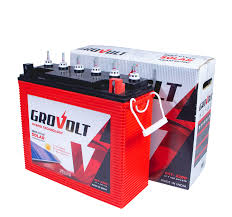
2. Undersized Inverters and Batteries
One of the most common ways systems fail is through incorrect sizing:
- Using a smaller inverter than the client’s load demands
- Connecting fewer batteries than required for backup
- Installing low-capacity charge controllers
Installers who skip proper load calculation either do it out of ignorance or to save costs, but the client ends up with a system that can’t handle their appliances.
This leads to frequent tripping, battery stress, and premature component failure.
3. Cutting Corners With Wiring and Accessories
Solar systems are only as strong as their weakest link. Some installers compromise on:
- Cable thickness (using smaller gauge wire than recommended)
- Poor quality MC4 connectors and fuses
- Skipping earthing or protection devices
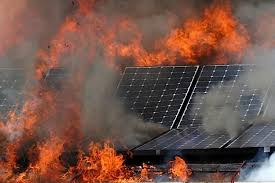
These shortcuts reduce system efficiency and can cause overheating, energy loss, or even dangerous faults.
4. Lack of Proper Load Management
A professional installer should educate clients on how to manage loads. Unfortunately, some:
- Don’t explain simultaneous appliance usage
- Overload the inverter by connecting ACs, freezers, and clippers at the same time
- Ignore seasonal variations that affect solar output
Clients are left blaming the solar system, but the real problem is lack of guidance from the installer.
5. Using Cheap or Fake Components
Some installers prioritize profit over quality:
- Selling recycled lithium batteries as new
- Installing counterfeit inverters or controllers
- Buying panels from unverified distributors
Even if the installation is technically correct, the system will fail prematurely due to substandard components.
6. Poor Maintenance Planning
Many installers never follow up or provide maintenance advice. Solar systems require periodic checks for:
- Loose connections
- Dust and dirt on panels
- Battery health and temperature monitoring
- Inverter firmware updates
Ignoring maintenance ensures the system gradually declines, which appears like client misuse—but the root cause is the installer.
7. Pressure to Cut Costs or Rush Installations
Some installers face heavy competition or client pressure and:
- Skip testing panels before installation
- Avoid measuring system voltage and current under load
- Reduce the number of panels to save money
This “quick install” approach often leads to performance issues and system instability.
8. How Clients Can Protect Themselves
To avoid sabotage—intentional or accidental—clients should:
- Ask for panel serial numbers and verify with the manufacturer
- Ensure all system components are sized correctly based on load calculation
- Request detailed installation plans and wiring diagrams
- Buy components from trusted distributors or verified suppliers
- Monitor performance after installation and report anomalies immediately
9. How Installers Can Avoid Sabotaging Clients
Professional installers must:
- Conduct proper load analysis for every system
- Test all panels, batteries, and inverters before installation
- Educate clients on proper usage and maintenance
- Avoid marketing gimmicks like “Grade A” without verification
- Use correctly sized wiring, breakers, and protection devices
Your reputation is tied directly to the reliability of the systems you install.
10. Final Thoughts
Some solar installers unintentionally sabotage their clients’ systems through shortcuts, ignorance, or misleading marketing. Others may even do it deliberately to cut costs or sell unnecessary upgrades.
As a client, knowledge is your first defense. As an installer, professionalism, testing, and honest advice are the only ways to ensure long-lasting, reliable solar systems.
Solar success isn’t just about panels and inverters—it’s about trust, expertise, and integrity.