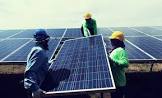
The WORST Solar Panels Sold in Nigeria (Avoid These Types!)
⚠️ WARNING: Nigeria Is Flooded With Fake/Low-Quality Solar Panels
Before you buy any solar panel in Nigeria, read this:
Over 60% of the solar panels selling in markets like Alaba, Trade Fair, Wuse, Computer Village, and even online stores are:
- Fake
- Rebranded
- Underperforming
- Scrap imports
- Overrated in wattage
These panels look “new,” but they perform like 50W even though they are labeled 300–550W.
And these are the panels making Nigerians complain:
- “My solar is not charging well.”
- “My inverter is always low.”
- “My battery never reaches 100%.”
- “My panel is too slow.”
Let’s break down the types of solar panels you MUST avoid in Nigeria — no matter how cheap they are.
❌ 1. Overrated Wattage Panels (Fake 300W That Are Actually 120W)
These are the most common “worst panels” in the Nigerian market.
They usually come with:
- Big wattage labels (250W, 300W, 350W)
- Surprisingly cheap prices
- Very light weight
- Thin frame
Why they’re bad:
- Produce less than half the claimed power
- Charge batteries extremely slowly
- Fail within 12–18 months
- Glass begins to yellow or crack early
If a 300W panel is too cheap… it is NOT 300W.
❌ 2. Rebranded Scrap Panels From China
These are used or damaged panels imported from China, repackaged, and sold as “brand new.”
Signs include:
- Scratches on the surface
- Sealant on the back
- Missing serial numbers
- Misaligned cell patterns
- No manufacturer details
These panels usually:
- Overheat
- Drop power output rapidly
- Die within a year
- Cause battery charging issues
❌ 3. Panels With Plastic Backsheets (Instead of Full PVF or Glass)
Cheap panels are built with plastic sheets that deteriorate under the Nigerian sun.
You’ll notice:
- Backsheet cracking
- Burn marks
- Melting around junction box
- Water entry inside the panel
Once water enters, panel efficiency drops permanently.
❌ 4. Thin-Cell Poly Panels Made From Recycled Solar Cells
These are made from rejected or broken solar cells stitched together.
They:
- Have poor voltage output
- Don’t perform in cloudy weather
- Drop efficiency drastically with heat
- Struggle to charge 12V/24V systems properly
If the cells inside look “patched,” avoid it.
❌ 5. Online Market Panels With “No Brand Name”
Many solar panels sold online (Jumia, Konga, Facebook, WhatsApp) come with:
- No brand name
- No model number
- No warranty
- No manufacturer address
If the panel has no traceable identity, it is low-quality.
❌ 6. Ultra-Lightweight Panels
A good solar panel is supposed to be heavy because of:
- Tempered glass
- Thick aluminum frame
- High-quality silicon cells
If the panel feels too light, it is cheap material — avoid it instantly.
❌ 7. Flexible “Thin Film” Panels Marketed as 500W
These are the WORST performers in Nigeria’s hot climate.
Flexible panels:
- Burn easily
- Have terrible efficiency
- Cannot charge normal solar batteries
- Die within months under tropical heat
Never use them for home systems. They are only good for camping or street vendors.
🌞 How to Identify a GOOD Solar Panel in Nigeria
Before buying, check for:
✔ Serial number
✔ Manufacturer’s name
✔ Datasheet with VOC, ISC, and Pmax
✔ Strong aluminum frame
✔ Minimum 25-year power warranty
✔ Tempered glass
✔ Heavy weight
Also, always do proper solar sizing before buying panels:
Use the Globisun Solar Sizing Calculator
⚡ Why Fake Panels Are Everywhere in Nigeria
Because:
- People prefer cheap solar
- Importers bring “scrap grade” panels to cut cost
- Most customers do not test wattage
- Installers sometimes take advantage of uninformed buyers
But fake panels end up costing MORE in the long run because:
- Your battery dies early
- Your inverter overworks
- Panels stop performing after 10–18 months
🛑 How to Avoid Buying Bad Solar Panels
1. Never buy from random WhatsApp vendors or Facebook ads
2. Check wattage with a multimeter (open-circuit voltage test)
3. Avoid “too cheap to be true” panels
4. Buy known brands with traceable warranty
5. Do proper solar sizing before buying
👉Calculate with the Globisun Solar App
⭐ Final Thoughts
Nigeria has many good solar panels—but the bad ones FAR outnumber them in the general market. The worst solar panels are:
- Fake
- Overrated
- Rebranded scrap
- Cheaply constructed
- Not meant for Nigerian weather
If you follow the guidelines in this article, you’ll never waste money on useless panels again.