600W Panels Explained: How Many Actually Charge a 15kWh Battery?
Solar energy is one of the most practical ways to power homes, businesses, and off-grid systems. But when it comes to sizing your solar setup, especially battery charging, there’s often confusion. One common question is:
If you have 600W solar panels, how many are needed to charge a 15kWh battery?
In this post, we’ll break it down step by step — in a way that’s easy to understand whether you’re new to solar or planning a system upgrade.
🔌 Understanding the Basics First
1. What Does “600W Panel” Mean?
A 600W solar panel is capable of producing up to 600 watts of power in ideal conditions — full sun, perfect angle, cool temperature, etc. In reality, panels rarely produce their full rated power all day.
2. What Is a 15kWh Battery?
A 15kWh battery stores 15 kilowatt-hours (kWh) of energy.
- 1 kWh = 1,000 watts for 1 hour
- So 15 kWh = 15,000 watt-hours
This means the battery can theoretically power a 1,000W load for 15 hours or a 500W load for 30 hours.
☀️ How Solar Panels Charge Batteries
Solar panels don’t directly push their rated wattage into a battery all day. The actual energy you get depends on:
✔ Sunlight hours
✔ Weather
✔ Temperature
✔ Panel orientation
✔ System losses (wires, controller inefficiency, etc.)
A useful rule of thumb is:
Peak Sun Hours (PSH) — the number of hours per day your panels operate at full rated capacity.
In many locations, a good average is 4–6 peak sun hours per day. In sunny places like much of Nigeria, you might get 5–6 PSH on average.
📊 Energy Output of a 600W Panel per Day
Let’s calculate how much energy a single 600W panel might produce:
600W × 5 hours = 3000 watt-hours (3.0 kWh) per day
This is an estimate — actual may be a bit more or less.
📍 How Many 600W Panels to Charge a 15kWh Battery
To deliver 15 kWh of energy with 600W panels:
Daily energy from one 600W panel ≈ 3 kWh
So:
15 kWh ÷ 3 kWh = 5 panels
✅ About 5 units of 600W panels are needed to generate enough energy in a day to fully charge a 15kWh battery — assuming about 5 peak sun hours.
⚡ Important Real-World Notes
🧠 System Losses
Every solar system has inefficiencies:
- Charge controller loss (especially if PWM vs MPPT)
- Wiring losses
- Battery charging inefficiency
So you may need slightly more panels to account for that. Many designers add 10–20% extra capacity.
☀ Weather & Season
Cloudy seasons can reduce output. Means 5 panels might work well in dry season but less in rainy season.
🔋 Battery Depth of Discharge
Many batteries are not designed to be fully drained. If your battery is recommended only to use 80%, then:
15 kWh × 0.8 = 12 kWh usable energy
That changes how often and how much you need to recharge.
📌 Example Calculation with Losses & Safety Margin
Let’s include a 20% safety margin for losses and seasons:
Daily target = 15 kWh
With losses: 15 kWh × 1.2 = 18 kWh needed from panels
One 600W panel produces ≈ 3 kWh:
18 ÷ 3 = 6 panels
So in many real-world setups, you could use:
👉 5–6 panels of 600W each
🛠 A Quick Sizing Chart
| Panel Count (600W) | Daily Output (≈5 PSH) | Battery Charge Potential |
|---|---|---|
| 4 | ~12 kWh | Partial charge |
| 5 | ~15 kWh | Full charge (ideal) |
| 6 | ~18 kWh | Full charge + cushion |
| 7+ | ~21+ kWh | Great for cloudy seasons |
🧾 What You Also Need in Your System
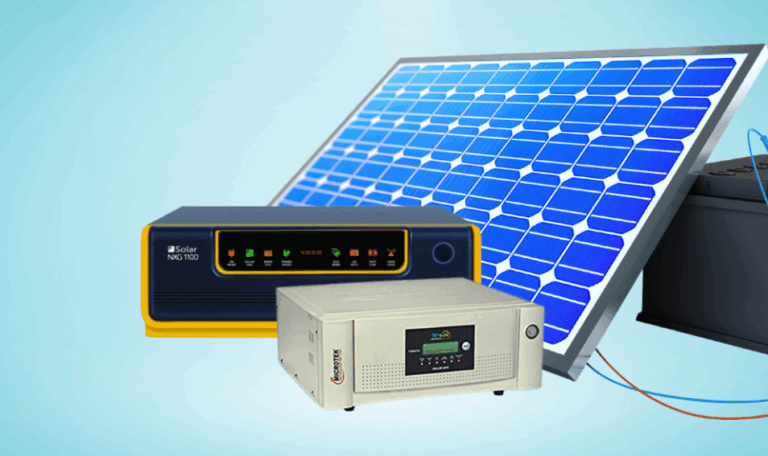
To turn solar panel power into battery energy, your system must include:
✔ Solar Charge Controller (MPPT recommended)
✔ Inverter (if you’re powering AC loads)
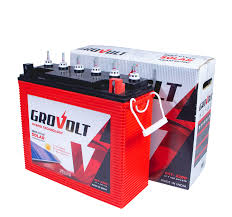
✔ Battery Bank (15kWh in this case)
✔ Mounting & Safety Gear
💡 Final Summary — In Simple Terms
✔ A 600W solar panel can produce about 3 kWh per day under good sunshine
✔ A 15kWh battery needs about 15 kWh of energy
✔ So you’d need around 5 panels of 600W to charge it in one day
✔ In real life, with system losses and weather changes, 5–6 panels is the practical range