5 Things to Check Before Choosing a Solar Installer in Nigeria
One thing I have noticed in the solar industry is that many people spend more time worrying about the brand of inverter or battery they want to buy than the person who will actually install the system.
But from experience, the installer you choose can make or break your entire solar investment.
You can buy some of the best equipment in the market and still end up with a badly performing system if the installation is poorly done.
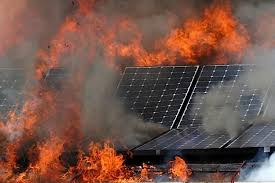
Wrong cable sizing, poor battery configuration, badly arranged solar panels, weak protection systems, poor earthing, wrong inverter settings and even simple mistakes like placing batteries in a hot environment can reduce the performance and lifespan of an otherwise good solar system.
This is why I always tell people that choosing a solar installer should not be based only on price.
Before you give anyone money to install a solar system in your home or business, there are a few things I believe you should check.
1. Check Whether the Installer Actually Understands Solar System Sizing
This is probably the first thing I look at.
A professional solar installer should not immediately tell you:
“You need a 5kVA inverter.”
The first question should be:
What exactly do you want to power?
Before recommending an inverter, battery or number of solar panels, the installer should understand your load.
For example, you may want to power:
- Television
- Fans
- Refrigerator
- Lights
- Laptop
- Decoder
- Water dispenser
- Freezer
- Washing machine
- Air conditioner
Each appliance has a different power requirement.
A proper system starts with understanding how much electricity those appliances consume and how many hours you expect them to run.
Unfortunately, one mistake I see quite often is installers recommending systems based on guesswork.
Someone looks at a three-bedroom apartment and simply says:
“5kVA will carry the house.”
That is not proper system design.
Two three-bedroom apartments can have completely different electricity requirements.
One household may only want to power lights, television and fans.
Another household may have three air conditioners, a freezer, water heater, washing machine and pumping machine.
They should not be given the same system.
A serious installer should calculate your load before recommending equipment.
Ask the installer questions like:
“How did you arrive at this inverter size?”
“How did you calculate the battery capacity?”
“How many hours of backup should I expect?”
“How did you determine the number of solar panels?”
A competent installer should be able to explain these things in simple language.
If the person cannot explain how the system was sized, I would be careful.
Solar installation should not be guesswork.
2. Ask to See Previous Installations
Before giving someone a major solar project, I always believe it is reasonable to see some of the work they have done before.
These days, almost every serious installer has pictures or videos of previous installations.
Ask to see them.
Look carefully at how the installation was done.
Do not only look at the size of the inverter or the number of batteries.
Look at the workmanship.
For example:
Are the cables properly arranged?
Are the panels mounted properly?
Is the installation clean?
Are protection devices installed?
Is the inverter properly positioned?
Are the batteries properly arranged?
Are cables hanging everywhere?
You do not need to be an engineer to recognize a neat installation.
A professional installer usually takes pride in workmanship.
Solar systems are expected to operate for many years, so the installation should not look temporary.
Also ask the installer whether you can speak with one or two previous customers.
A customer who has been using the system for six months or one year can tell you things that pictures cannot.
You can ask:
Is the system performing as expected?
Does the installer respond when there is a problem?
Was the promised backup time realistic?
Has the system developed repeated faults?
Good installers usually have customers who are willing to recommend them.
3. Check the Quality of the Components Being Recommended
Another mistake people make is focusing only on the inverter and battery.
A solar installation contains many components.
You have:
Solar panels.
Inverter.
Battery.
Charge controller, depending on the system.
Solar cables.
Battery cables.
MC4 connectors.
DC breakers.
AC breakers.
Surge protection devices.
Distribution boards.
Earthing materials.
Mounting structures.
Changeover devices.
And many other accessories.
The quality of these components matters.
Sometimes a customer buys an expensive inverter and battery, but the installer tries to reduce cost by using very cheap cables and protection devices.
That can create serious problems later.
For example, an undersized battery cable can become very hot when high current passes through it.
Poor solar connectors can cause resistance, heating or arcing.
Bad protection devices may fail when they are actually needed.
Weak mounting structures can create problems during strong winds.
This is why I believe you should ask the installer to clearly state the equipment and materials that will be used.
A quotation should not simply say:
“Complete 5kVA solar system.”
It should be more detailed.
You should know:
The inverter brand and capacity.
Battery type and capacity.
Number and wattage of solar panels.
Cable sizes.
Protection devices.
Mounting structure.
Installation accessories.
That level of transparency helps you understand what you are paying for.
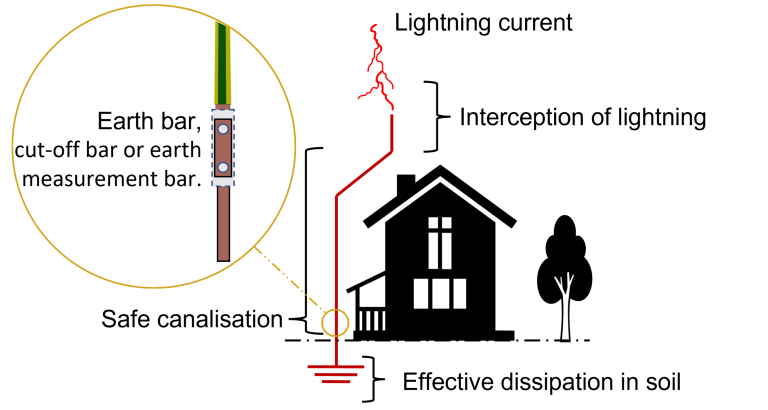
4. Check Whether Proper Protection and Earthing Are Included
This is one area where I believe many solar customers do not ask enough questions.
Everyone wants to know:
“How many hours will the battery last?”
But very few people ask:
“How is the system protected?”
A properly installed solar system should have appropriate electrical protection.
Depending on the design, this may include:
DC breakers.
AC breakers.
Battery protection.
Surge protection devices.
Proper isolation.
Earthing.
Correctly sized cables.
These things may not look exciting, but they are extremely important.
A solar system deals with electricity from several sources.
You may have electricity coming from the solar panels.
Electricity from the battery.
Electricity from the national grid.
And sometimes electricity from a generator.
All these sources must be properly managed.
I have seen installations where very expensive equipment was connected with little or no protection.
That is risky.
Solar panels can also produce high DC voltages, especially when several panels are connected in series.
DC electricity behaves differently from normal household AC electricity and must be treated seriously.
So when speaking with an installer, ask:
“What protections are you installing on the PV side?”
“What protections are you installing on the battery side?”
“Will the system be properly earthed?”
“Will surge protection be installed?”
A professional installer should be comfortable answering those questions.
5. Check the Installer’s After-Sales Support
For me, this is one of the most important things.
Solar installation does not end when the installer collects payment and leaves your house.
At some point, you may need help.
Maybe the inverter displays an error.
Maybe the battery is not charging properly.
Maybe a breaker starts tripping.
Maybe your monitoring application goes offline.
Maybe you want to add more solar panels later.
Maybe you decide to upgrade your battery.
The question is:
Will the installer still answer your calls?
I have seen situations where customers cannot reach the person who installed their system after a problem develops.
That can be extremely frustrating.
Before choosing an installer, ask about after-sales support.
Find out whether they provide:
System monitoring.
Maintenance.
Troubleshooting.
Warranty support.
Equipment replacement assistance.
System upgrades.
Technical support.
Also understand the warranty.
There are usually different warranties involved in a solar installation.
The inverter manufacturer may provide one warranty.
The battery manufacturer may provide another.
Solar panels may have their own warranty.
And the installer may provide a workmanship warranty.
Make sure you understand the difference.
If something fails, you should know who is responsible.
Do Not Choose an Installer Based Only on the Cheapest Price
I understand why people compare prices.
Solar equipment is not cheap, and everyone wants to save money.
But the cheapest quotation is not always the best quotation.
Sometimes one installer may quote lower simply because important components have been removed from the system.
For example, two installers may both quote for a 5kVA system.
One quotation may include:
Proper PV protection.
Surge protection.
Quality cables.
Battery protection.
Good mounting structures.
Earthing.
Professional installation.
Another quotation may simply include:
Inverter.
Battery.
Panels.
A few cables.
Naturally, the second quotation will look cheaper.
But you are not actually comparing the same installation.
Whenever you receive multiple quotations, compare the details, not just the total amount.
Ask About Your Expected Backup Time
This is another area where misunderstandings happen.
A customer buys a solar system believing it will power the entire house throughout the night.
But the installer designed it to provide only four hours of backup.
Nobody explained the difference.
Before installation, ask the installer to estimate how long the battery will last based on your expected load.
For example, the backup time when using:
Television, lights and fans
will be completely different from the backup time when using:
Air conditioner, freezer, pumping machine and washing machine.
Battery backup depends heavily on the load.
A professional installer should explain this clearly.
Ask Whether the System Can Be Expanded Later
I also recommend thinking about the future.
Your electricity needs today may not be the same in two years.
You may buy another freezer.
You may install an air conditioner.
You may start working from home.
You may move your business online.
You may add more equipment to your office.
A good installer should consider whether the system can reasonably accommodate future expansion.
Ask questions like:
Can I add more solar panels later?
Can I add another battery?
Can the inverter support additional load?
Will I need to replace the entire system if my electricity demand increases?
Sometimes spending slightly more during the initial installation can make future expansion much easier.
Watch Out for Unrealistic Promises
I become very careful whenever I hear statements like:
“This system can carry everything.”
“You can use all your appliances at the same time.”
“The battery will last throughout the night no matter what you use.”
“You don’t need to worry about load.”
Solar systems have limits.
Every inverter has a maximum output capacity.
Every battery stores a limited amount of energy.
Every solar array can only produce a certain amount of electricity depending on available sunlight.
A professional installer should explain those limits.
Good engineering is not about making impressive promises.
It is about designing a system that matches the customer’s actual needs.
A Good Installer Should Also Educate You
One thing I personally believe strongly is that a solar customer should understand the basic operation of the system.
You do not need to become an installer.
But you should know:
How to turn the system on and off.
What appliances should not be used together.
How to monitor your battery.
How to understand basic inverter indicators.
What to do when an error appears.
Where the protection breakers are located.
Who to contact when something goes wrong.
A good installer should explain these things before leaving.
The customer should not be completely dependent on the installer for every small issue.
My Simple Checklist Before Hiring a Solar Installer
Before giving an installer your project, I would personally check these five things:
- Can the installer properly calculate and explain the system size?
- Can I see previous installations or speak with previous customers?
- Are good-quality components and accessories being used?
- Are proper protection, cables and earthing included?
- Will the installer still support me after collecting payment?
If I am comfortable with the answers to these questions, then I can start talking seriously about price.
Final Thoughts
Solar is a long-term investment.
A properly designed and installed solar system can serve a home or business reliably for many years.
But a badly designed system can quickly become a source of frustration.
Frequent low-battery warnings.
Inverter overload.
Burnt cables.
Weak charging.
Unexpected shutdowns.
Battery problems.
Continuous repairs.
And endless calls to technicians.
Many of these problems can be avoided from the beginning by choosing the right installer.
So before you buy that inverter, battery or solar panel, spend some time checking the person who will put everything together.
Do not be afraid to ask questions.
A competent installer should be able to explain the system you are buying.
You are not only paying for equipment.
You are paying for proper system design, safety, workmanship, experience and support.
And in my experience, those things matter just as much as the equipment itself.